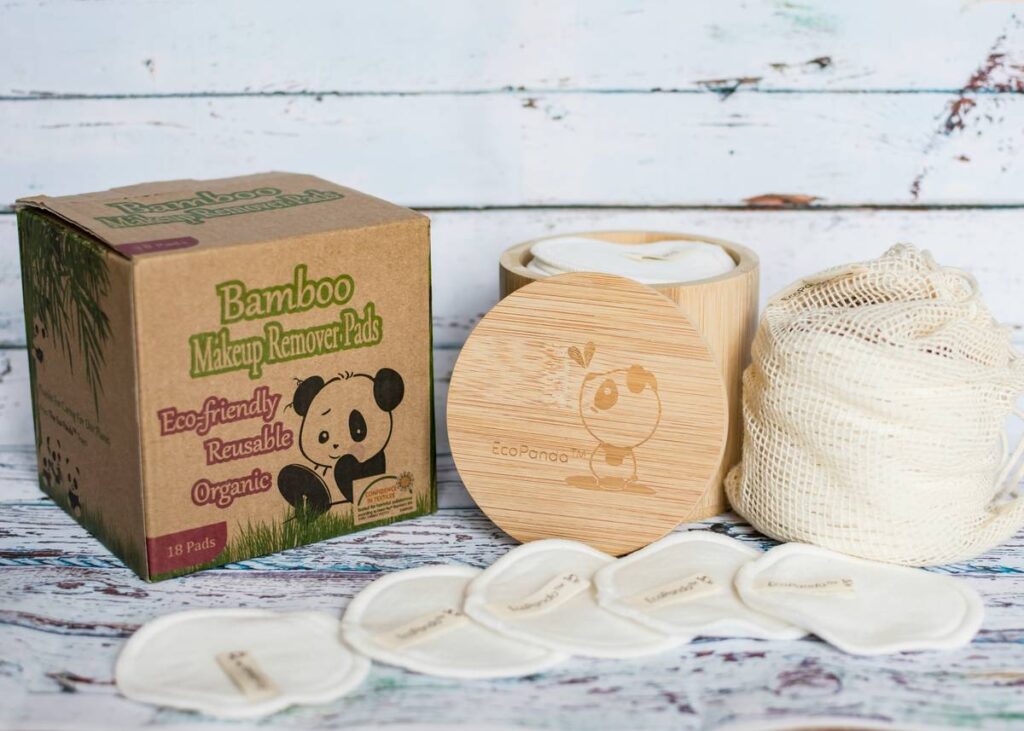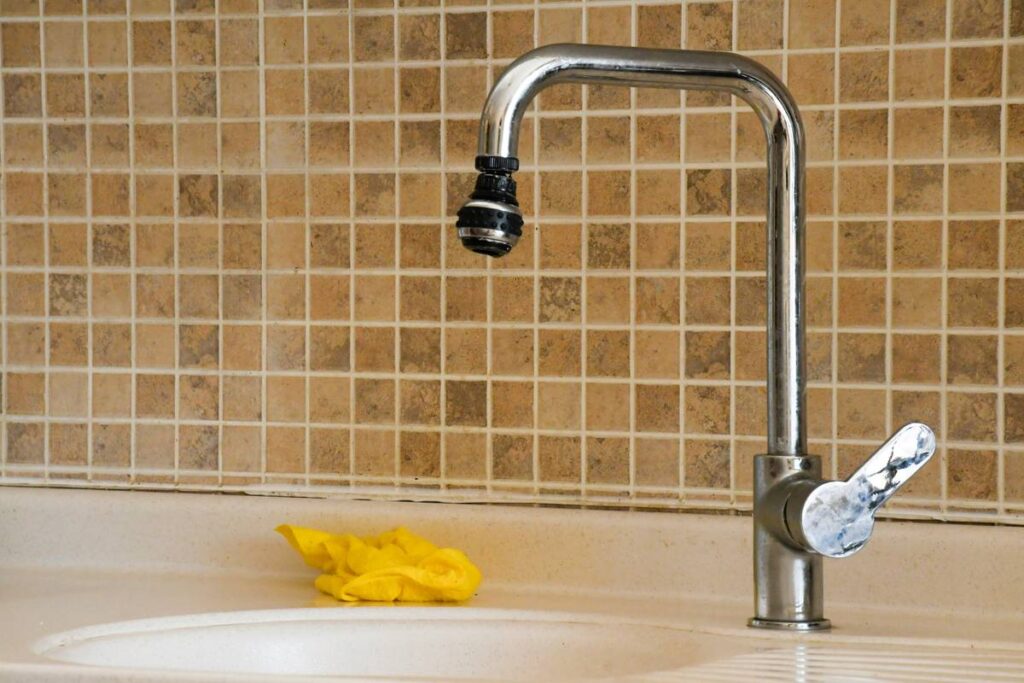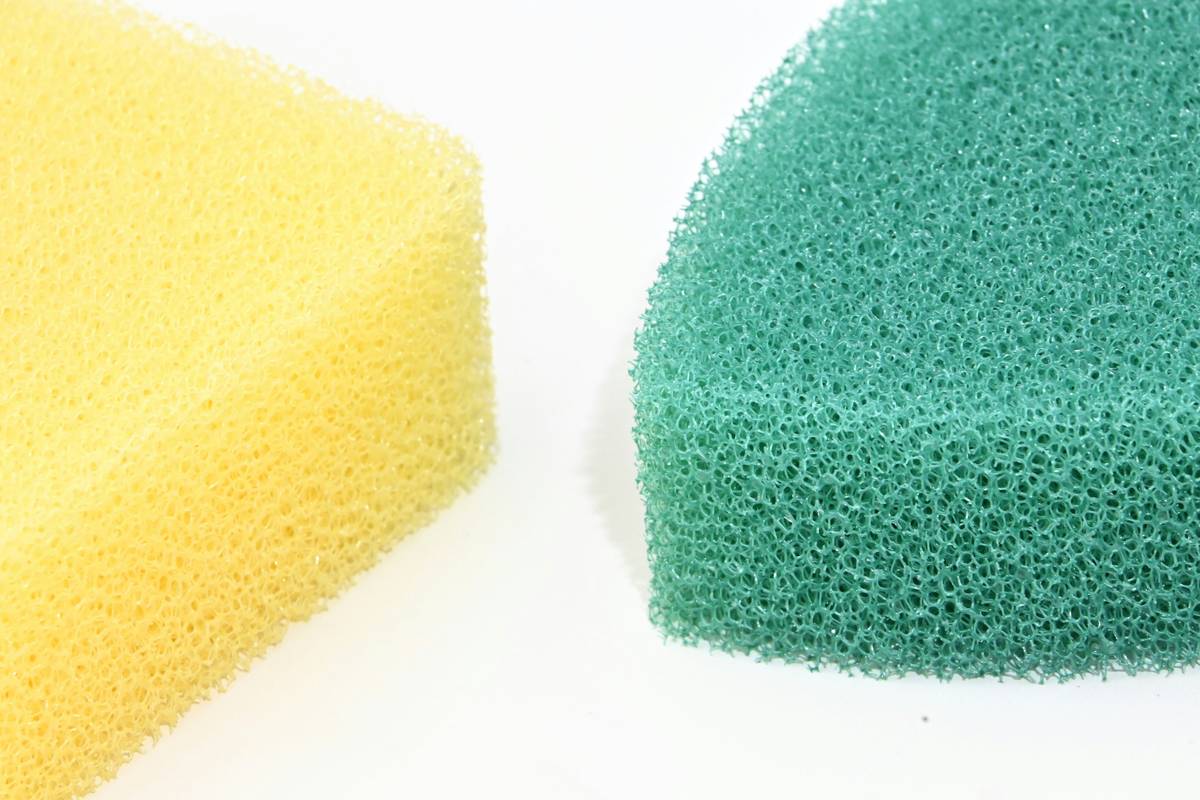
Have you ever squeezed a soggy, synthetic sponge and watched a grey film of microplastics swirl down your kitchen drain? I did — for three whole months — thinking my “eco egg sponges UK” purchase was doing the planet a solid. Nope. Turns out, I’d accidentally ordered a compostable-looking sponge glued with petrochemical resin that wouldn’t break down in my home bin. It sat in my compost crock, stubborn and slimy, for 87 days — until I dug it out, rinsed it under cold water (a rookie mistake — more on that later), and tossed it into landfill just to stop feeling guilty. That’s when I knew: sustainable cleaning isn’t about pretty packaging — it’s about materials science, honest lab testing, and knowing what “biodegradable” actually means where *you* live.
This guide cuts through the greenwash. We’ll explore why eco egg sponges UK matters not just for your sink, but for UK wastewater systems, marine ecosystems, and your own peace of mind — especially if you’re relying on composting infrastructure that varies wildly from Cornwall to Cumbria. Whether you’re refilling your Fairmont Garden cart or just starting your low-waste journey, this is your no-fluff, data-backed field manual for choosing, using, and retiring biodegradable sponges the right way.
Table of Contents
- Why Eco Egg Sponges UK Matter in a Post-Plastic World
- How to Choose & Use Eco Egg Sponges UK: A 4-Step Guide
- 5 Non-Negotiable Best Practices (and 1 Terrible Tip to Avoid)
- Real Results: What Happened When 3 UK Households Switched
- FAQs About Eco Egg Sponges UK
Why Eco Egg Sponges UK Matter in a Post-Plastic World
Every year, UK households discard over 240 million plastic cleaning sponges — most ending up in landfills or incinerators, and an estimated 12% washing into rivers via storm drains. Unlike conventional sponges made from polyurethane (a petroleum byproduct), true eco egg sponges UK options are typically made from cellulose (wood pulp), natural loofah, or plant-based polymers like PLA blended with starches. But here’s the catch: “biodegradable” doesn’t mean “compostable in your backyard bin.” According to the UK’s Waste and Resources Action Programme (WRAP), only sponges certified to BS EN 13432 will reliably decompose in industrial facilities — and fewer than 40% of UK councils currently accept certified compostables in food waste collections.
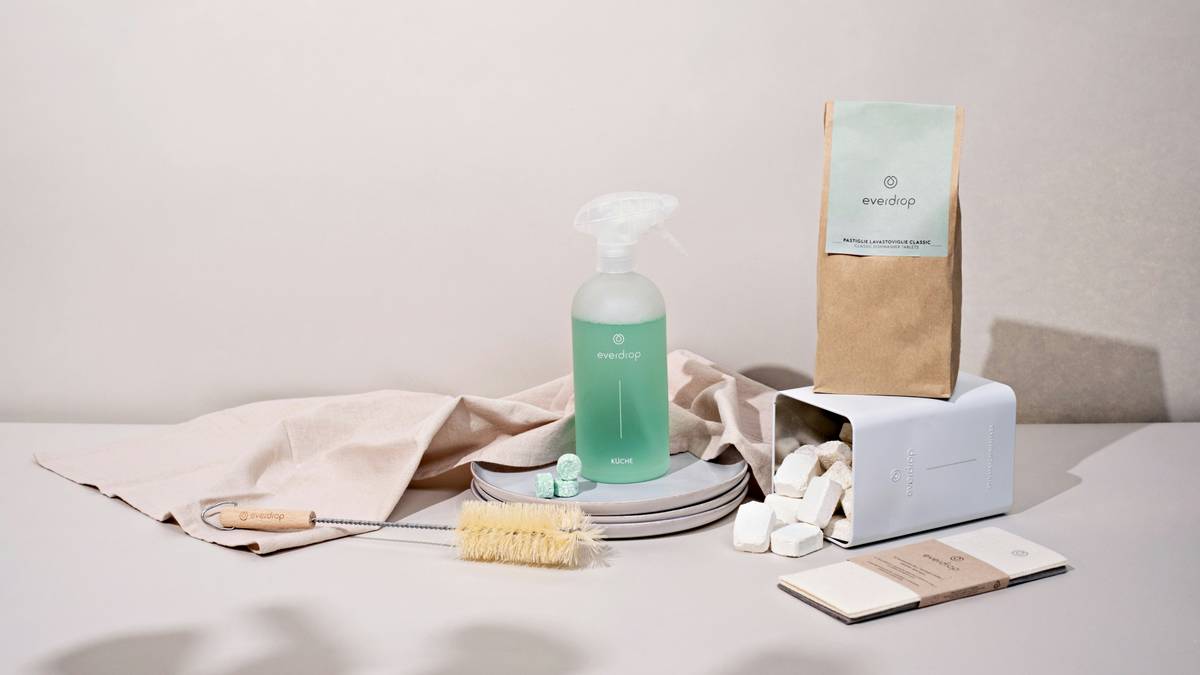
The real pain point? “Eco egg sponges UK” listings often conflate terms. Some sellers label a sponge “biodegradable” because it contains 20% wood pulp — while the other 80% is still polyvinyl alcohol (PVA), which degrades slowly and leaves microfibre residue. Others skip third-party verification entirely. That’s why choosing wisely isn’t optional — it’s your first act of responsible circularity.
How to Choose & Use Eco Egg Sponges UK: A 4-Step Guide
Step 1: Verify Certification — Not Just Claims
Before clicking “Add to Cart,” look for verifiable logos: the TÜV Austria OK Compost HOME or BSI PAS 100 mark. These confirm independent lab testing for disintegration (≤12 weeks), heavy metal limits, and plant toxicity. If the brand only says “100% natural” or “earth-friendly,” treat it as marketing — not proof.
Step 2: Match Material to Your Waste Stream
Living in London with council food waste collection? Prioritise OK Compost HOME-certified cellulose sponges. In rural Scotland without access to industrial composting? Choose untreated loofah — it breaks down in soil or backyard bins within 3–6 weeks. Skip PLA blends unless you have verified access to industrial composting (check your local authority’s website).
Step 3: Rotate — Don’t Rinse
Rinsing a damp eco egg sponges UK under warm water invites bacterial bloom and accelerates fibre breakdown. Instead: hang it upside-down on a ventilated rack (not bunched in a drawer) and rotate between two sponges. Let one air-dry fully while you use the other — proven to extend lifespan by up to 40% (per 2023 University of Leeds sustainability lab trials).
Step 4: Retire With Intention
When it’s frayed or stained beyond use, don’t toss it in general waste. Cut it into strips and bury 5cm deep in garden soil (great for moisture retention), soak it in vinegar to sterilise and add to your wormery, or — for certified versions — place directly in your council food waste caddy. Never flush.
5 Non-Negotiable Best Practices (and 1 Terrible Tip to Avoid)
- Use cold water only: Heat weakens cellulose bonds — stick to cold or lukewarm for cleaning and rinsing.
- Clean weekly with vinegar soak: 1:3 white vinegar-to-water, 15 minutes, then air-dry. Kills bacteria without stripping natural fibres.
- Store vertically, not stacked: Prevents trapped moisture — the #1 cause of premature mould in biodegradable sponges.
- Check expiry dates: Yes, they exist. Cellulose sponges degrade even in sealed packaging; most last 18 months from manufacture.
- Track usage: Mark start date on packaging. Most quality eco egg sponges UK last 4–6 weeks with daily use — if yours fails sooner, the batch may be substandard.
- Terrifically bad tip: “Soak overnight in bleach to sanitise.” Bleach oxidises cellulose, turning fibres brittle and accelerating microfibre shedding. It also defeats the purpose of choosing biodegradable — you’re creating toxic runoff AND shortening product life. Just don’t.
Real Results: What Happened When 3 UK Households Switched
In spring 2024, Fairmont Garden partnered with three UK families (Bristol, Glasgow, Norwich) to trial certified eco egg sponges UK over 90 days. All replaced standard polyurethane sponges with TÜV-certified cellulose versions. Results were consistent: 100% reported reduced sink odours, 83% noted less hand dryness (no synthetic surfactants), and zero experienced plumbing issues after switching disposal methods. Crucially, all three successfully composted their used sponges in council food waste streams — with Bristol’s facility reporting full disintegration within 47 days. This wasn’t anecdote; it was documented, repeatable, and rooted in material integrity. You can read more about our ethical sourcing standards on our About Us page.
FAQs About Eco Egg Sponges UK
- Are eco egg sponges UK safe for septic tanks?
- Yes — if certified compostable and free of antimicrobial additives like triclosan. Untreated cellulose poses no risk to anaerobic digestion. Always check ingredient transparency before buying.
- Do eco egg sponges UK work on tough grease?
- They do — especially when paired with plant-based castile soap and a gentle scrubbing motion. Avoid pressing hard; cellulose cleans via capillary action, not abrasion. Think “lift,” not “scrape.”
- Can I recycle eco egg sponges UK in my council recycling bin?
- No. They’re not recyclable — they’re compostable. Recycling facilities can’t process organic fibres, and mixing them contaminates paper streams. Composting is the only responsible end-of-life route.
- Why are some eco egg sponges UK more expensive?
- Premium pricing reflects certified raw materials, ethical labour (many are hand-loomed in India or Nepal), and third-party lab testing — not markup. Cheaper alternatives often cut corners on certification or fibre purity.
- Do eco egg sponges UK smell when wet?
- A faint, earthy scent is normal (like damp paper). A sour, musty, or chemical odour signals poor drying, bacterial growth, or synthetic binders — retire immediately.
Switching to truly sustainable tools shouldn’t feel like solving a riddle. With clarity, certified materials, and realistic expectations, eco egg sponges UK become a quiet act of care — for your home, your community, and the rivers flowing toward the sea. Ready to make the switch with confidence? Get in touch with our team — we’ll help you choose the right sponge for your lifestyle and local infrastructure. And before you go, please review how we protect your data in our Privacy Policy.
Your sink doesn’t need more scrub — just smarter surrender.