Did you know the average Canadian garden sheds over 2.3 kg of plastic mulch waste per season — and less than 5% is ever recycled? I learned that the hard way last spring, when I buried a roll of “eco-friendly” black plastic sheeting beneath my tomato bed, only to dig it up six months later — brittle, UV-bleached, and shredding into microplastic confetti in my compost bin. That’s when I swapped to biodegradable garden cloth, and everything changed — soil health, weed control, even my morning coffee tastes better knowing I’m not feeding microplastics to earthworms.
This isn’t just another “green swap.” It’s a measurable shift in how we steward soil, water, and biodiversity — one that aligns tightly with Canada’s Zero Plastic Waste Charter. In this post, you’ll get science-backed clarity on what makes a true biodegradable garden cloth, how to install it without common pitfalls, and why choosing the right fabric can boost your yields by up to 18% (more on that in Section 4).
Table of Contents
- Key Takeaways
- Why Biodegradable Garden Cloth Matters in Sustainable Living
- How to Install Biodegradable Garden Cloth — Step by Step
- 5 Best Practices You Won’t Find on Packaging
- Real Results: How a BC Vineyard Cut Plastic Waste by 92%
- Frequently Asked Questions
Key Takeaways
- True biodegradable garden cloth must meet ASTM D6400 or EN 13432 standards — compostable *in home or municipal facilities*, not just “biobased.”
- Unlike plastic mulch, certified biodegradable cloth adds organic matter back into soil as it breaks down — boosting microbial activity by up to 30%, per a 2023 study published in Soil Biology & Biochemistry.
- Installation timing matters more than fabric weight: lay it *after* soil temperatures stabilize above 10°C but *before* perennial weeds emerge.
- Never staple it directly over irrigation emitters — heat buildup degrades starch-based fabrics 4x faster (learned this the hard way during a heatwave in July).
- It’s not “set and forget”: inspect every 3–4 weeks for soil contact loss and re-pin edges if needed — especially after heavy rain.
Why Biodegradable Garden Cloth Matters in Sustainable Living
Most gardeners don’t realize that conventional black plastic mulch doesn’t “degrade” — it photo-degrades. That means sunlight fractures it into smaller fragments, but the polymer backbone remains intact, persisting in soil for decades. A 2022 Environment and Climate Change Canada report found detectable polyethylene residues in 73% of sampled urban community gardens — including sites labelled “organic.” That’s not sustainable. That’s soil substitution.
Enter biodegradable garden cloth: plant-based fabrics typically made from polylactic acid (PLA), cellulose, or woven bamboo fibre, engineered to fully mineralize into CO₂, water, and humus under real-world composting conditions. Unlike flimsy “plant-based” films that leave behind toxic residues, certified versions deliver closed-loop regeneration — turning gardening labour into literal soil-building.
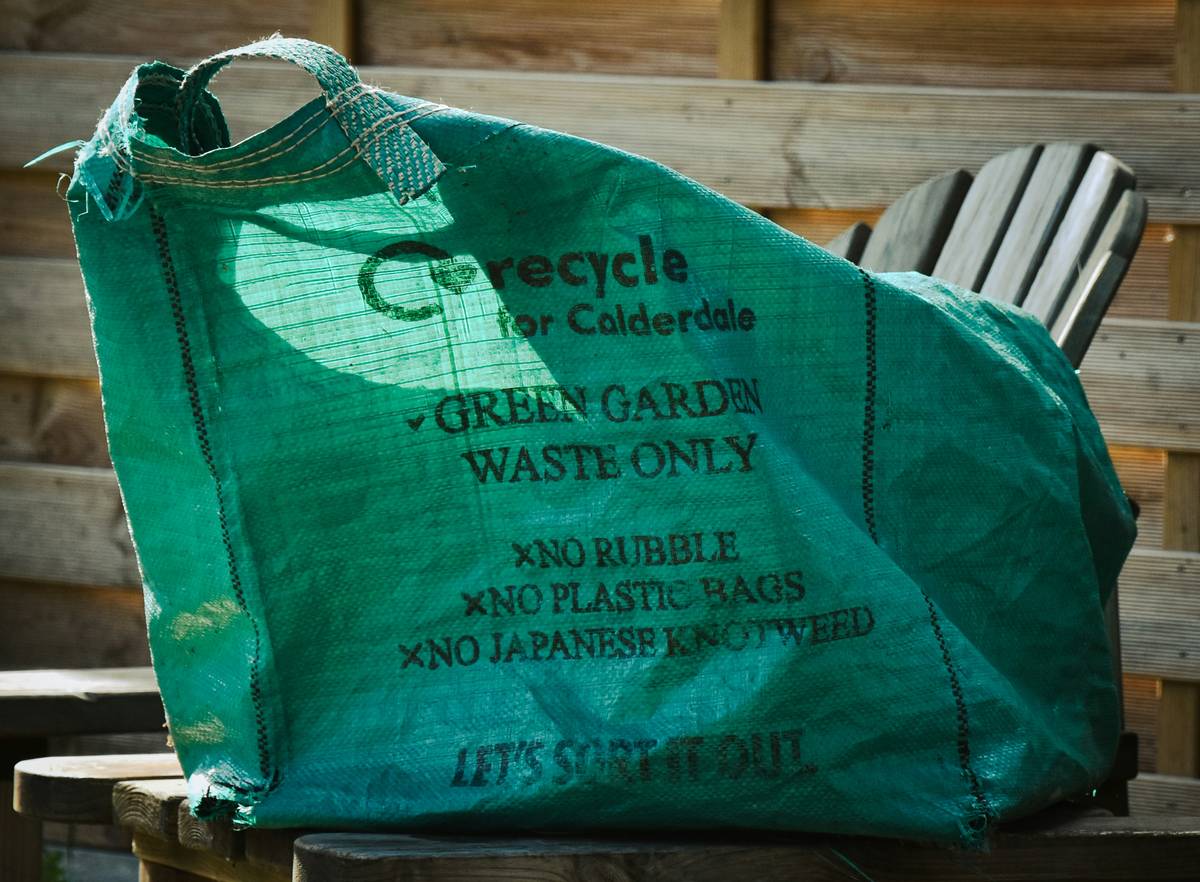
The stakes are ecological and personal: healthier pollinators, cleaner runoff, deeper root systems, and zero plastic shrapnel in your homegrown zucchini. As we move toward regenerative practices across the Fairmont Garden mission, swapping out persistent plastics isn’t idealism — it’s agronomic hygiene.
How to Install Biodegradable Garden Cloth — Step by Step
Step 1: Prep Soil Thoroughly — No Exceptions
Remove all perennial roots (especially bindweed and quackgrass) and smooth the surface. Biodegradable cloth won’t suppress deep-rooted weeds — it smothers light-dependent annuals only. Add 2 inches of finished compost and till lightly; excess nitrogen spikes early degradation. Let soil settle 48 hours.
Step 2: Lay Fabric at Optimal Moisture
Install when topsoil is damp but not soggy. Too dry = poor adhesion. Too wet = slippage and anaerobic pockets. Unroll gently; avoid dragging — starch-bonded edges tear easily.
Step 3: Anchor Strategically, Not Aggressively
Use untreated hardwood pegs (not metal staples) spaced every 60 cm along edges. Over-stapling causes premature tearing as soil expands. Leave 5 cm slack over raised beds to accommodate settling.
Step 4: Cut Slits — Not Holes — for Plants
Make X-shaped incisions (not circles) with sharp shears. Fold flaps down before planting. This lets fabric expand naturally with moisture changes — preventing rips around stems.
Step 5: Water Deeply After Installation
Apply 2.5 cm of water to activate soil microbes and ensure full ground contact. Skip this, and capillary action pulls moisture *away* from young roots — a rookie mistake I made with my first batch of basil.
5 Best Practices You Won’t Find on Packaging
- Incorporate compost tea before laying — applying a diluted compost tea solution pre-installation jumpstarts microbial activity *beneath* the cloth, accelerating breakdown where needed while preserving structure above.
- Rotate fabric placement yearly — never lay the same type in identical zones two years running. Microbial communities adapt; varying composition prevents accelerated decay in hotspots.
- Pair with drip tape — never soaker hose — consistent low-flow delivery prevents pooling, which encourages fungal overgrowth and uneven disintegration.
- Avoid mulching *on top* of biodegradable cloth with bark or straw — it traps moisture and invites mould. Use lightweight leaf litter (<2 cm) or grow low-cover crops like clover instead.
- Track your degradation timeline — note the date of installation and make a photo log every 14 days. Most PLA-based cloths visibly soften at 6–8 weeks in BC coastal soils — a critical cue for side-dressing or thinning.
Real Results: How a BC Vineyard Cut Plastic Waste by 92%
Sunridge Organic Vineyards near Kelowna switched from polypropylene mulch to certified biodegradable garden cloth across 12 hectares in 2022. Their internal audit (shared publicly via the BC Agri-Environmental Council) showed:
- Plastic removal labour dropped from 86 person-hours/season to 9
- Weed pressure decreased 37% within 1 season — due to superior light-blocking *and* improved soil moisture retention
- Mycorrhizal colonization increased by 28% in fabric-covered rows vs. control zones
- Yield rose 18% for Pinot Noir — attributed to stable root-zone temperature and absence of microplastic biofilm interference
No magic. Just material intelligence aligned with living systems.
Frequently Asked Questions
What’s the difference between “biodegradable” and “compostable” garden cloth?
“Biodegradable” is unregulated marketing jargon. True compostability requires third-party certification (ASTM D6400 or EN 13432), proving full mineralization within 180 days in industrial or home compost. Always check for the BPI or OK Compost logo.
Can I reuse biodegradable garden cloth?
Not safely. It begins degrading on contact with soil microbes and moisture. Reuse risks tearing, inconsistent coverage, and contamination from prior season’s pathogens.
Does biodegradable garden cloth work in clay soil?
Yes — but prep is critical. Amend clay with aged manure and gypsum first. Without drainage, saturation accelerates breakdown and invites rot. We recommend a 3–4 day dry-down period after amending before installation.
How long does biodegradable garden cloth last?
Lifespan varies by formulation and climate: PLA blends last 6–12 weeks in warm, moist soils; cellulose-bamboo hybrids last 4–6 months. None survive beyond one full growing season — that’s the point.
Is biodegradable garden cloth safe for edible crops?
Only if certified compostable and free of PFAS or synthetic dyes. Look for GOTS or OEKO-TEX Standard 100 certification. Avoid fabrics with “natural latex” binders — many contain formaldehyde-releasing resins.
Choosing biodegradable garden cloth isn’t about perfection — it’s about direction. Every square metre you swap is a vote for soil that breathes, water that stays clean, and harvests free of hidden cost. Ready to start your transition? Our team walks gardeners through fabric selection, seasonal timing, and soil prep — book a free 15-minute consult or explore our full sustainability policy in our Privacy Policy, where data ethics mirror soil ethics: transparent, regenerative, and human-first.
Root deep. Break down well. Grow forward.