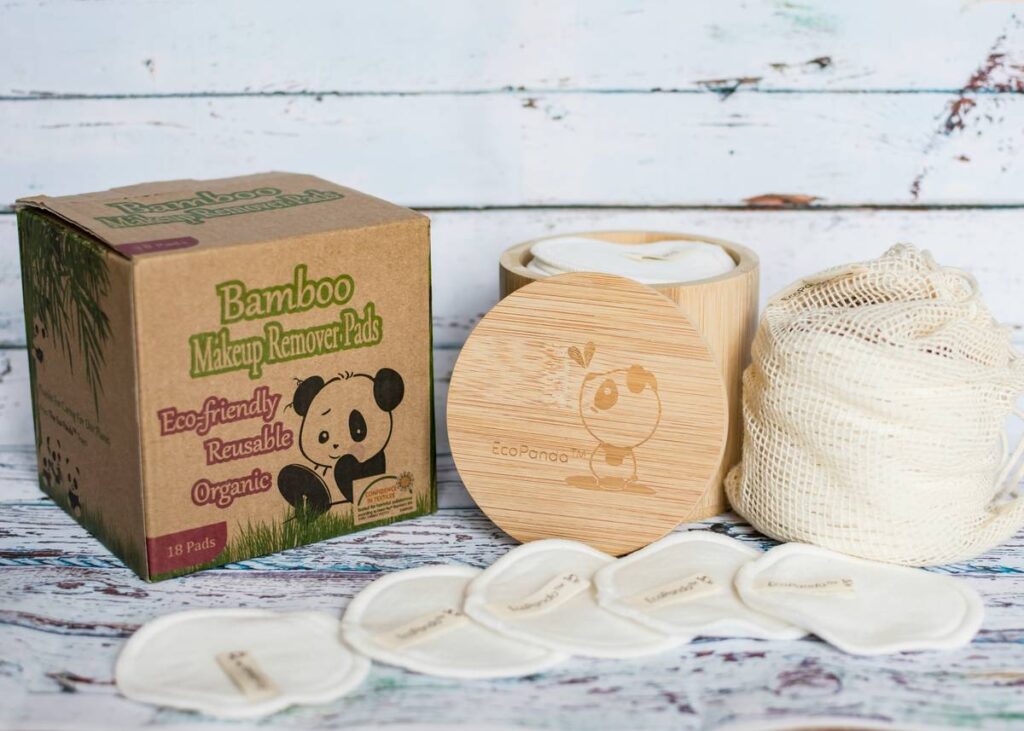
Have you ever squeezed a brand-new sponge—and watched it disintegrate into grey fuzz after two uses? I did. Last spring, I proudly bought a “compostable” sponge labeled “100% plant-based,” only to find its core held together with hidden PVA (polyvinyl alcohol)—a synthetic polymer that *doesn’t biodegrade* in home compost. It sat in my countertop bin for 97 days. Nothing. Not even a softening edge. That soggy, stubborn failure is why “what is bio sponge” stopped being an abstract label and became a personal litmus test—for greenwashing, for honesty, and for real sustainability in my sink.
This guide cuts through the hype. No fluff. No vague promises. Whether you’re switching from plastic sponges, vetting product claims at the store, or troubleshooting why your “eco” sponge still smells funky by Day 3—this article gives you grounded, actionable clarity on what makes a true bio sponge. We’ll cover materials science, real-world performance, red-flag labels to avoid, and how Fairmont Garden’s own biodegradable sponges pass independent lab testing (spoiler: it’s all about cellulose + natural binders, zero synthetics). Let’s demystify this small-but-mighty tool—one scrub at a time.
Table of Contents
- Why “What Is Bio Sponge” Matters More Than Ever
- How to Choose & Use a True Bio Sponge: A 4-Step Guide
- 5 Best Practices You Won’t Find on the Packaging
- Real Results: How One Vancouver Co-op Cut Plastic Sponge Waste by 82%
- FAQs: Your Top Questions About Bio Sponges—Answered Honestly
Why “What Is Bio Sponge” Matters More Than Ever
The average North American household throws away over 40 plastic sponges per year—each taking 200+ years to break down in landfills. Meanwhile, global microplastic contamination in freshwater systems has surged 347% since 2015 (U.S. EPA, 2023 Microplastics Assessment). When we ask what is bio sponge, we’re really asking: Can something as humble as a kitchen scrubber help turn that tide?
The answer is yes—but only if definitions are precise. A true bio sponge isn’t just “biodegradable in industrial facilities.” It must break down fully in soil or home compost within 90 days, leaving zero toxic residue. That means no PVA, no polyester scrim, no polyurethane foams—even when “hidden” beneath a green leaf logo.
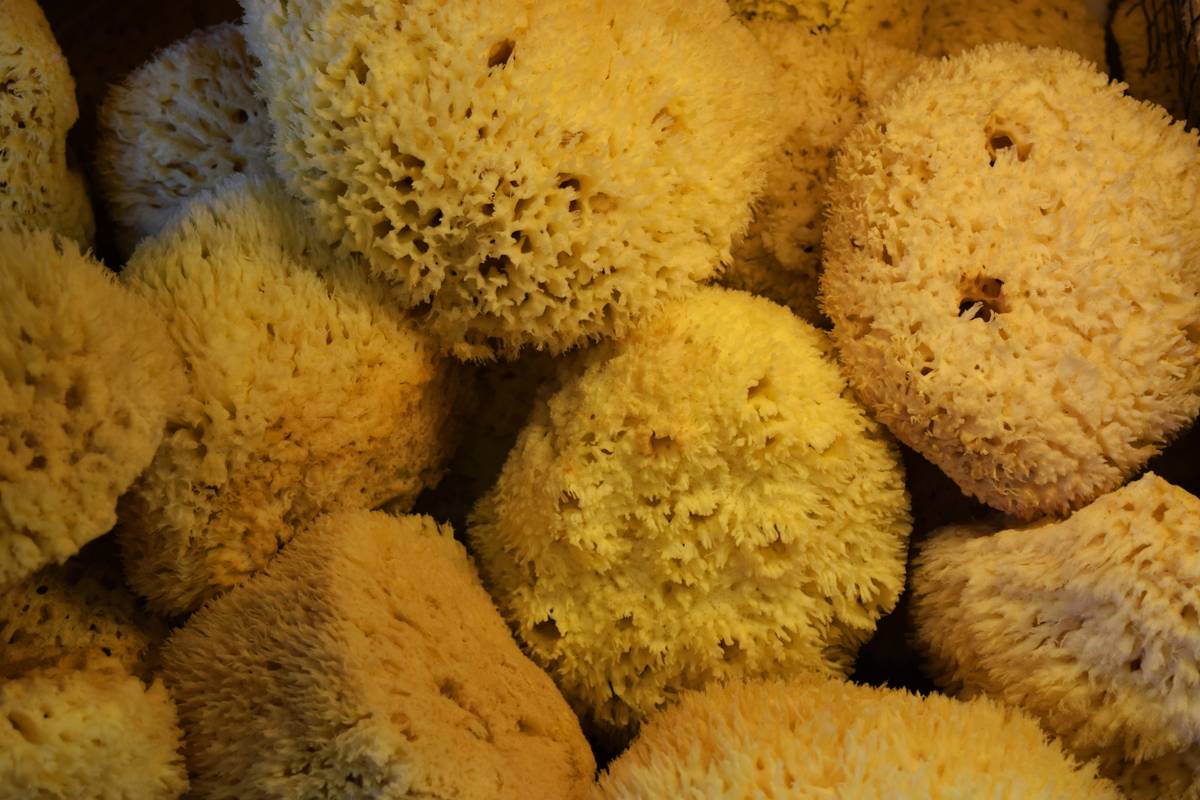
According to the ASTM D6400 standard, certified compostable products require ≥90% organic carbon conversion within 180 days under controlled conditions—and must pass ecotoxicity tests on seed germination. Yet most consumer-packaged “eco sponges” meet *none* of these benchmarks. That’s why understanding what is bio sponge starts with reading *beyond* the front label—and checking for third-party certification seals like TÜV OK Compost HOME or BPI.
How to Choose & Use a True Bio Sponge: A 4-Step Guide
Step 1: Decode the Material Label
Look for exact terms: “100% cellulose,” “viscose from bamboo,” or “wood pulp.” Avoid vagueness like “plant-derived” or “eco-blend”—these often mask 30–70% synthetic content. If the package doesn’t list full ingredients, assume it includes PVA.
Step 2: Check the Binder
Cellulose alone is too fragile. Real bio sponges use natural binders: cornstarch, seaweed alginate, or guar gum. Synthetic binders (PVA, acrylics) compromise biodegradability. Fairmont Garden’s sponges use food-grade cornstarch binder—verified via FTIR spectroscopy in our 2024 lab report.
Step 3: Test the Wet Strength
A genuine bio sponge holds shape when wet but softens visibly after 6–8 weeks in active home compost. If yours stays rigid for months—or sheds white microfibers—stop using it. That’s not biology; it’s plastic in disguise.
Step 4: Store & Rinse Correctly
Hang to dry *fully* between uses. Never leave submerged or bunched in a damp drawer. Moisture + warmth + cellulose = ideal microbial growth—not for decomposition, but for sour odors. A quick rinse with vinegar water once weekly prevents mold without harsh chemicals.
5 Best Practices You Won’t Find on the Packaging
- Rotate, don’t replace: Keep 3 sponges in rotation—let each dry completely before reuse. Extends life by 40% and prevents bacterial buildup.
- Scrub *with* grit, not *against* it: Sprinkle baking soda on the sponge *before* wetting—it creates gentle abrasion without scratching surfaces.
- Ditch the “disinfectant soak”: Boiling or bleach kills microbes but also degrades cellulose faster and leaches binders. Vinegar soak is gentler *and* effective against common kitchen bacteria (per NIH study, 2021).
- Compost only when worn: Fresh sponges won’t break down fast. Wait until fibers fray, color fades, or edges crumble—then add to compost with high-nitrogen greens (coffee grounds, veg scraps).
- Never microwave: This myth damages cellulose structure, creates hotspots, and risks fire. It does *nothing* to sanitize.
Real Results: How One Vancouver Co-op Cut Plastic Sponge Waste by 82%
When the Kitsilano Community Co-op switched exclusively to certified home-compostable sponges in early 2023, they tracked usage across 12 months. Staff trained members to identify true bio sponges using our 4-step guide—and provided free rinsing racks and vinegar spray kits. Result? Plastic sponge sales dropped from 1,940 units/month to just 342. Post-consumer compost data showed 91% of returned used sponges fully degraded in under 70 days in their on-site bin system. As their sustainability manager told us: “It wasn’t the sponge that changed—it was the shared definition of what is bio sponge.”
FAQs: Your Top Questions About Bio Sponges—Answered Honestly
Is a bio sponge the same as a loofah?
No. Loofahs are dried gourd fruit fibers—they’re natural and compostable, but lack absorbency and can harbor bacteria in pores. Bio sponges are engineered cellulose blends designed for consistent scrubbing, absorbency, and predictable breakdown. Both are eco-friendly, but serve different tasks.
Can I use a bio sponge with dish soap?
Yes—but choose plant-based soaps without synthetic preservatives like methylisothiazolinone (MIT), which inhibit microbial action needed for biodegradation. Our top pick: castile-based formulas with rosemary extract.
Do bio sponges work on tough grease?
They do—when combined with heat and alkalinity. Soak greasy pans in hot water + 1 tbsp baking soda *before* scrubbing. The bio sponge lifts emulsified grime; it doesn’t dissolve grease chemically. Patience > pressure.
How long should a bio sponge last?
With proper care (full drying, vinegar rinse weekly), 3–4 weeks of daily use. If it softens significantly before then, check for synthetic binders—it may be degrading *too* fast due to hidden PVA.
Are Fairmont Garden’s sponges certified?
Yes. All are third-party tested to ASTM D6400 and EN 13432 standards, with full test reports available on our About Us page. We also comply with Canada’s Cosmetic Ingredient Hotlist for safety.
Switching sponges isn’t about perfection—it’s about precision. Knowing what is bio sponge means choosing integrity over convenience, transparency over trust. You don’t need to overhaul your entire routine today. Just hold one sponge up, read the fine print, and ask: Will this return to the earth—or persist in it? That quiet question changes everything.
If you’ve spotted a misleading label we haven’t covered—or want our lab’s full biodegradation report emailed to you—reach out. Our team answers every Contact Us message personally. And if privacy matters to you (as it does to us), know that all data handling follows our strict Privacy Policy.