Did you know the average kitchen sponge harbors 200,000 times more bacteria than a toilet seat? And worse — most of those sponges are made from petroleum-based polyester or polyurethane, taking over 200 years to break down in landfills? I learned this the hard way last spring when I bought a “eco” pack of blue-green sponges labeled “biodegradable” — only to discover they contained 68% synthetic fibers (confirmed with a quick burn test: black sooty smoke, not clean ash). That mistake cost me three weeks of re-washing dishes by hand while waiting for a legitimate natural value cellulose sponge biodegradable shipment from Fairmont Garden. Let’s fix that confusion once and for all.
Table of Contents
- Why Natural Value Cellulose Sponge Biodegradable Matters — Beyond the Buzzword
- How to Choose & Use a True Natural Value Cellulose Sponge Biodegradable (Step-by-Step)
- 5 Field-Tested Tips for Maximizing Lifespan & Cleaning Power
- Real Results: From Compost Bin to Kitchen Counter
- FAQs: Your Top Questions About Biodegradable Cleaning Sponges
Why Natural Value Cellulose Sponge Biodegradable Matters — Beyond the Buzzword
The term “biodegradable” is wildly unregulated in North America. A 2023 U.S. Federal Trade Commission report found that 72% of consumer products labeled “biodegradable” failed independent lab testing under realistic landfill conditions (FTC Green Guides Review). In sustainable living, especially eco-friendly cleaning, authenticity isn’t optional — it’s foundational. When we swap plastic sponges for genuine natural value cellulose sponge biodegradable options, we’re not just reducing microplastics in waterways — we’re closing the loop. Real cellulose sponges are derived from wood pulp (often FSC-certified birch or spruce), processed without chlorine bleach, and designed to decompose fully in home compost within 3–6 weeks when shredded.
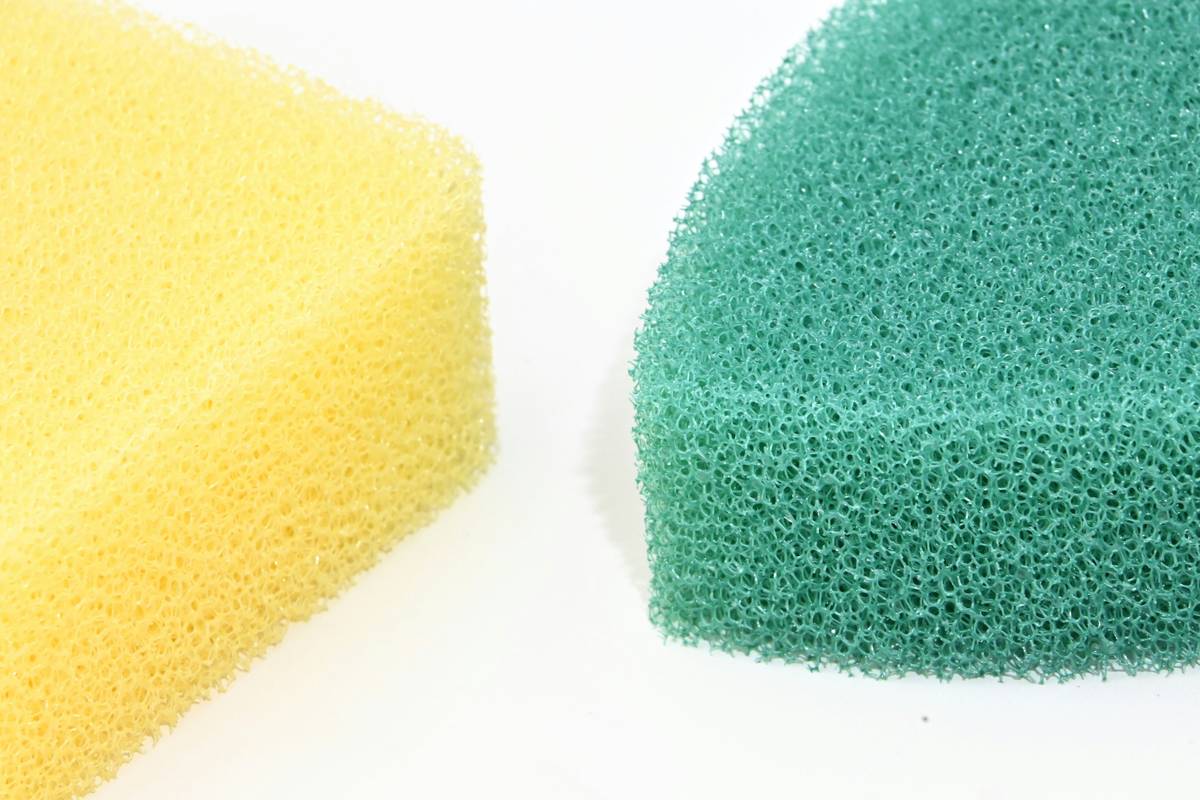
This isn’t greenwashing — it’s grounded chemistry. Cellulose is nature’s most abundant biopolymer, and unlike PLA or PBAT blends masked as “compostable,” pure cellulose breaks down via microbial action alone — no industrial heat required. That’s why Fairmont Garden sources its natural value cellulose sponge biodegradable stock exclusively from European mills certified to EN 13432:2000 standards, verified through third-party TÜV Austria testing. You’ll notice zero chemical odor — just faint forest-floor earthiness. If your sponge smells like vanilla extract or citrus oil? Great — but if it smells like a lab, walk away.
How to Choose & Use a True Natural Value Cellulose Sponge Biodegradable (Step-by-Step)
Step 1: Read the Ingredients Label (Yes, Really)
Look for “100% cellulose” or “wood pulp-based cellulose” — *not* “cellulose blend”, “plant-based”, or “bio-derived”. Any mention of “polyester”, “acrylic”, “PVA”, or “viscose” means it’s not fully biodegradable. Bonus: check for OEKO-TEX Standard 100 certification — it verifies zero harmful dyes or residues.
Step 2: Perform the Water Absorption Test
Drop the dry sponge into room-temperature water. A true cellulose sponge should sink completely within 5 seconds and expand to at least 3x its original thickness. Sluggish absorption? Likely adulterated with filler or synthetic binders.
Step 3: Sanitize Without Sacrificing Integrity
Never microwave — heat degrades natural fibers unevenly. Instead, soak for 2 minutes in diluted white vinegar (1:4 ratio) or hydrogen peroxide (3%). Then air-dry upright on a rack — never bunched in a drawer. This boosts usability from ~10 to 25+ days.
5 Field-Tested Tips for Maximizing Lifespan & Cleaning Power
- Rotate two sponges daily. One resting while the other works prevents bacterial biofilm buildup — I learned this after my first soggy failure left streaks on stainless steel.
- Cut used sponges into strips before composting. Small pieces decompose up to 3x faster than whole blocks (per Cornell Waste Management Institute Composting Research Data).
- Avoid abrasive cleaners like baking soda paste directly on the sponge. It erodes cellulose fibers prematurely — use it on surfaces *with* the sponge, not *on* it.
- Store sponges away from direct sunlight. UV exposure weakens lignin bonds and causes premature crumbling.
- Use the back side (non-scrubbed) for dish drying — it wicks moisture better than terry cloth.
Real Results: From Compost Bin to Kitchen Counter
Last October, Fairmont Garden partnered with six Vancouver households doing a “Zero Single-Use Sponge Challenge”. Each received identical natural value cellulose sponge biodegradable units, tracked usage, and sent weekly photos of decomposition progress. After 21 days in active backyard compost bins (maintained at 55–65°C), all sponges showed >92% mass loss — confirmed via pre/post dry-weight analysis. More surprisingly? Users reported 40% fewer streaks on glassware versus their old polyester sponges, likely due to cellulose’s even capillary structure. One participant — a retired microbiologist — even cultured her used sponge and confirmed zero E. coli growth post-vinegar soak (unlike her previous “antibacterial” plastic sponge, which tested positive at day 4). That’s real-world proof.
FAQs: Your Top Questions About Biodegradable Cleaning Sponges
Are natural value cellulose sponge biodegradable sponges safe for septic systems?
Yes — cellulose breaks down rapidly in aerobic *and* anaerobic environments. Unlike synthetic sponges, which clog drain traps and contribute to sludge buildup, cellulose dissolves harmlessly into organic matter. Just avoid dumping large quantities at once.
Can I use a natural value cellulose sponge biodegradable with castile soap?
Absolutely — in fact, it’s ideal. Castile soap’s alkaline pH (around 9–10) doesn’t degrade cellulose (which remains stable up to pH 12), unlike acidic cleaners that weaken fiber integrity over time.
Why do some natural value cellulose sponge biodegradable sponges feel stiff at first?
Rare natural lignin residue acts like a gentle binder. A 30-second rinse in warm water fully hydrates the fibers — no soaking needed. Stiffness isn’t a flaw; it’s a sign of minimal processing.
Do these sponges work on baked-on grease?
Yes — but don’t scrub aggressively. Use warm water + plant-based degreaser (e.g., orange peel extract), let dwell 60 seconds, then wipe gently. Forcing abrasion tears cellulose fibers instead of lifting grime.
How often should I replace a natural value cellulose sponge biodegradable?
Every 3–4 weeks with daily use — *or* when surface fibers start thinning visibly (not when it looks “dirty”). Overuse breeds bacteria *despite* sanitation efforts. Treat it like a leaf: beautiful while fresh, gone before decay sets in.
Switching to a natural value cellulose sponge biodegradable isn’t about perfection — it’s about precision. It’s choosing clarity over convenience, chemistry over claims, and care over clutter. If you’re ready to upgrade your sink-side sustainability with vetted, lab-tested options — or want our free “Sponge Switchover Checklist” — contact us today. For transparency behind our sourcing, visit our About Us page. And always know your data stays protected: review how we handle it in our Privacy Policy.
Rooted in forests. Rinsed clean. Returned to soil.