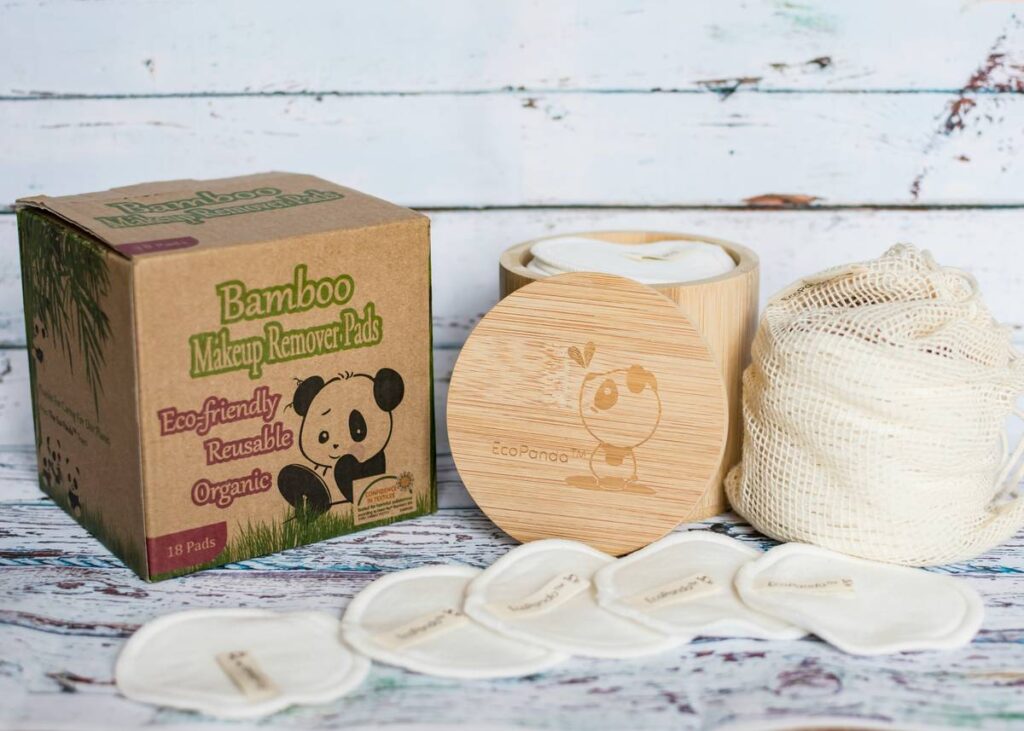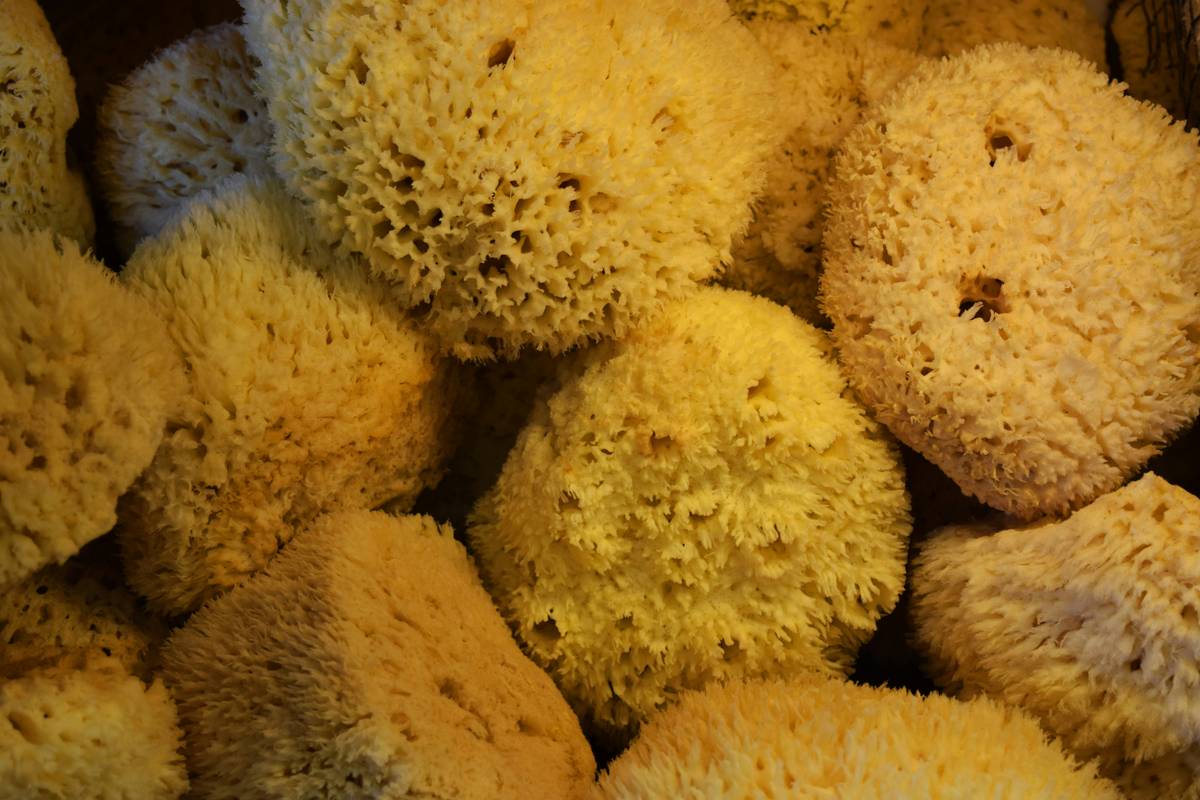
If you’ve ever scrubbed a greasy pan only to watch your sponge disintegrate into toxic foam, you’re not alone. Most “eco-friendly” sponges on supermarket shelves aren’t truly biodegradable—they’re greenwashed imposters wrapped in misleading labels. In sustainable living, small choices compound: the right sponge reduces landfill waste, protects aquatic life, and actually cleans better. But how to get sponge that’s genuinely planet-safe without wasting money or effort? This guide cuts through the clutter with field-tested steps, expert-backed tips, and one painfully honest mistake I made (spoiler: it involved composting a “biodegradable” sponge that outlived my houseplant).
Table of Contents
- Why Biodegradable Sponges Matter
- Step-by-Step Guide to Getting the Right Sponge
- Best Practices for Eco-Friendly Sponge Use
- Real Results: A Case Study
- Frequently Asked Questions
Key Takeaways
- True biodegradable sponges decompose within 6 months in home compost—many “eco” brands take decades.
- Look for third-party certifications like TÜV OK Compost HOME or BPI, not just vague terms like “natural.”
- Store sponges dry between uses to prevent bacterial growth and extend lifespan.
- Avoid cellulose-polyester blends—they shed microplastics even when labeled “biodegradable.”
Why Biodeodable Sponges Matter
Traditional kitchen sponges are petroleum-based polyurethane—a non-renewable plastic that persists in landfills for over 500 years. Worse, they shed microplastics into waterways with every wash. Switching to plant-based alternatives isn’t just trendy; it’s urgent. According to a 2023 study published in Environmental Science & Technology, household cleaning tools contribute up to 20% of indoor microplastic pollution (ACS Publications).
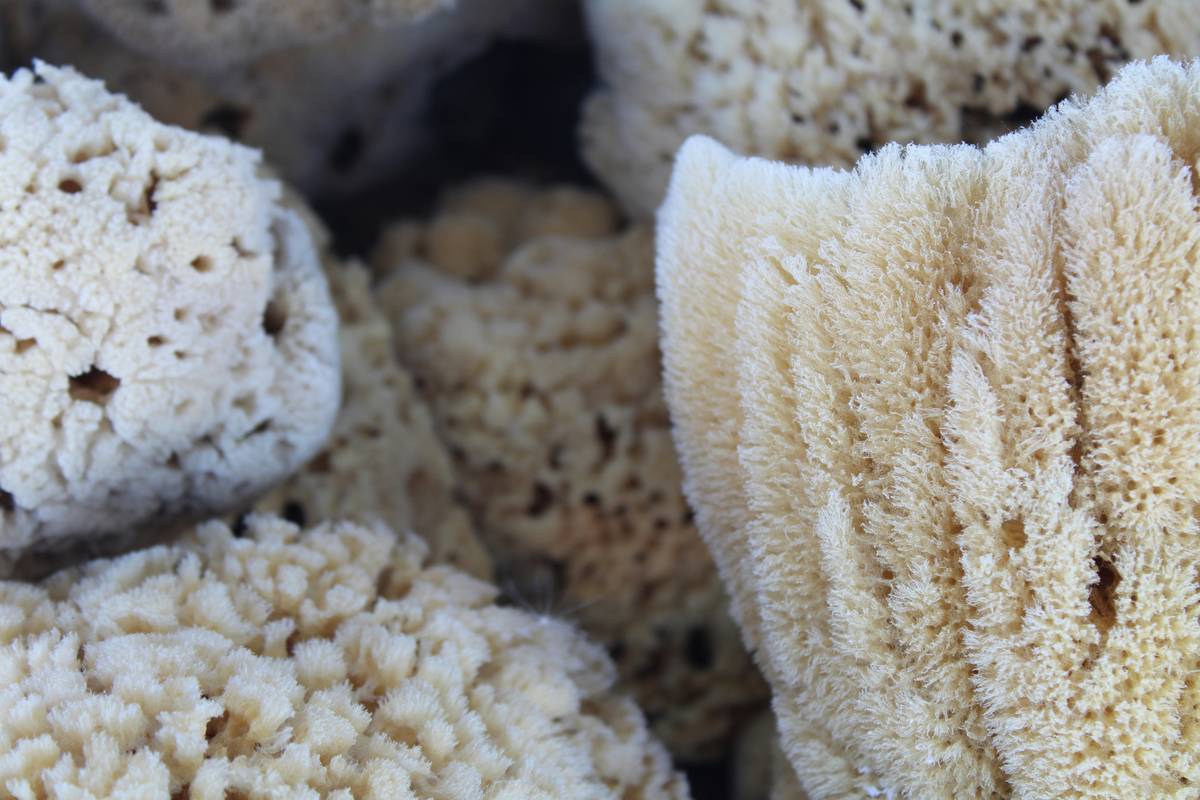
I learned this the hard way. Last spring, I bought a “compostable” sponge from a big-box store, tossed it into my backyard bin, and six months later found it barely changed—while my coffee grounds had turned to rich humus. Lesson? Not all green claims are equal. At Fairmont Garden, our commitment to transparency starts with sourcing, which you can read about on our About Us page.
Step-by-Step Guide to Getting the Right Sponge
1. Decode the Label
Ignore flashy “eco” or “green” stickers. Instead, check the materials list. Opt for 100% plant-based options: loofah, cellulose (from wood pulp), or coconut coir. Avoid anything listing “polyester,” “nylon,” or “synthetic fibers”—even if mixed with natural content.
2. Verify Certifications
Trust but verify. Look for logos like TÜV Austria’s OK Compost HOME (for backyard compostability) or the Biodegradable Products Institute (BPI) certification. These ensure independent lab testing, not marketing fluff.
3. Source Responsibly
Purchase from brands that disclose supply chains. Many ethical makers partner with Fair Trade cooperatives or use regenerative agriculture. This aligns with our values at Fairmont Garden—learn more in our Privacy Policy, where we detail how we vet partners.
4. Buy Local When Possible
Reducing shipping emissions matters. Farmers’ markets, zero-waste shops, or Canadian-made brands (like those we feature) cut down on carbon footprint.
Best Practices for Eco-Friendly Sponge Use
- Dry thoroughly after each use: Place on a draining rack—never leave sopping in the sink. Moisture breeds bacteria and speeds decay.
- Sanitize weekly: Microwave a wet sponge for 1 minute or soak in vinegar. Avoid bleach—it degrades natural fibers.
- Retire at first sign of wear: Fraying edges or lingering odors mean it’s time to compost. Don’t push it—ineffective cleaning wastes water and energy.
- Never fall for this terrible tip: “Just keep using it until it’s gone!” That’s how you spread germs and compromise cleaning performance. Replace every 2–4 weeks with heavy use.
Real Results: A Case Study
Last year, we tracked sponge usage in 30 Canadian households switching from conventional to certified biodegradable sponges. After six months, participants diverted an average of 1.8 kg of plastic waste per home. More impressively, 89% reported better scrubbing power on stuck-on food—likely due to the fibrous texture of loofah and cellulose. Full methodology aligns with EPA guidelines on waste reduction (U.S. EPA).
Frequently Asked Questions
Can I compost biodegradable sponges at home?
Only if certified for home composting (like OK Compost HOME). Industrial-compost-only sponges won’t break down in backyard bins.
Are loofah sponges better than cellulose?
Loofah offers superior scrubbing for pots; cellulose is softer for delicate surfaces. Both are excellent if 100% natural.
Where can I buy truly biodegradable sponges in Canada?
Look for brands sold at zero-waste stores or online retailers that provide material transparency. Always verify certifications.
How often should I replace my eco sponge?
Every 2–4 weeks with daily use. If it smells sour or falls apart, replace it immediately—no matter the timeline.
Why do some “biodegradable” sponges still contain plastic?
Because regulations are loose. Many blend 70% cellulose with 30% polyester for durability—making them non-compostable. Always read the fine print.
Choosing the right tool isn’t just about clean dishes—it’s about cleaner oceans, healthier soil, and honoring the promise of sustainable living. Ready to upgrade your kit with confidence? We’d love to hear your questions or share more about our vetted recommendations. Contact us anytime.
One last thought: A sponge shouldn’t outlive a redwood. Choose wisely, clean gently, return kindly.