Ever squeezed a natural sponge only to find it crumbling into dust after two weeks? You’re not alone. Many eco-conscious cleaners assume “biodegradable” means indestructible—or at least long-lasting. But if you’ve ever tossed a $12 plant-based sponge into the compost bin way too soon, you’ve felt that sting of wasted money and effort. The real question isn’t just how do sponges regenerate—it’s whether they even can, and what you can do to extend their life without compromising your green values. In this guide, we’ll unpack the science, share hard-won lessons (including my own sponge-sabotaging blunder), and give you actionable steps to get months—not days—from your natural cleaning tools.
Table of Contents
- Why Sponge Regeneration Matters in Sustainable Living
- Step-by-Step Guide to Extending Your Sponge’s Life
- 5 Best Practices for Biodegradable Sponge Longevity
- Real Results: How Proper Care Changes Outcomes
- FAQs About Natural Sponge Care and Regeneration
Key Takeaways
- Natural sponges don’t truly “regenerate” like living organisms—they degrade slowly with proper care.
- Mismanagement (like leaving them wet) causes rapid bacterial growth and disintegration.
- Drying, rotation, and gentle cleaning can triple or quadruple usable lifespan.
- Not all biodegradable sponges are equal—material composition matters significantly.
Why Sponge Regeneration Matters in Sustainable Living
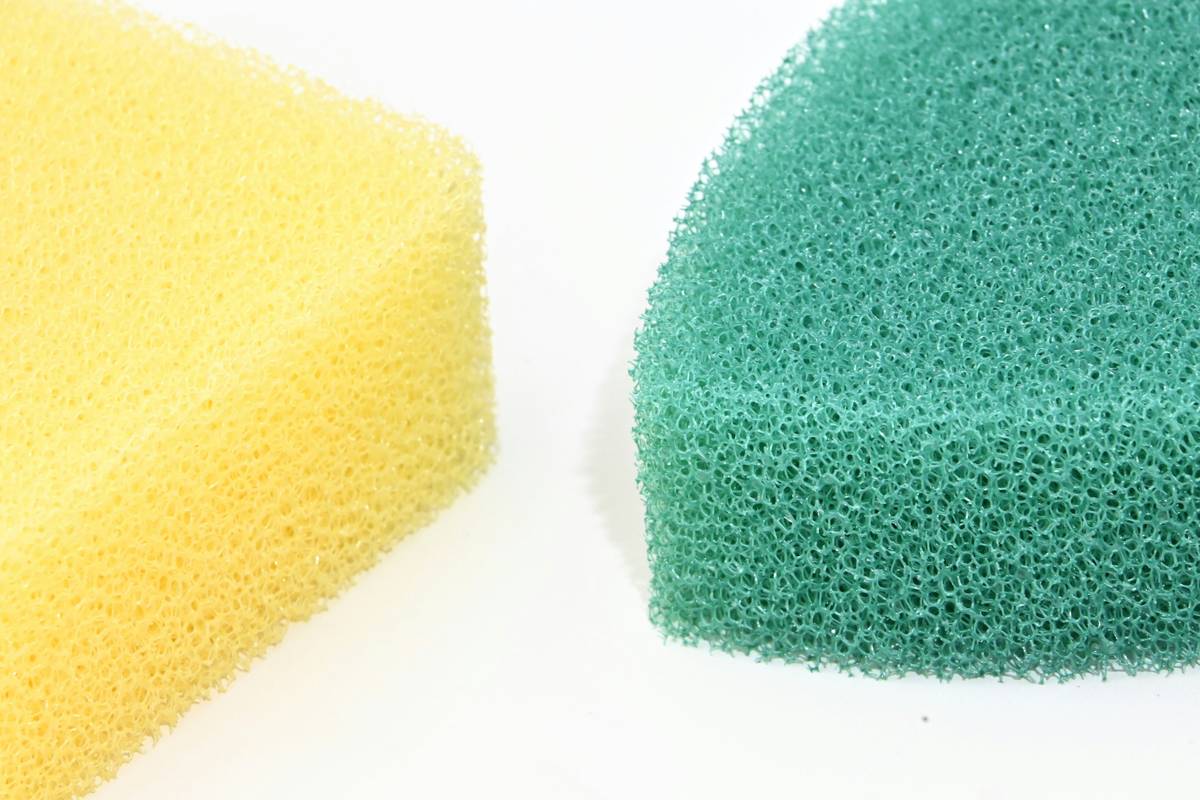
The phrase “how do sponges regenerate” often misleads well-intentioned shoppers. Unlike sea sponges (which are animals capable of limited regeneration), most kitchen sponges labeled “biodegradable” are made from cellulose, loofah, coconut coir, or bamboo fibers—plant-based materials that decompose but don’t self-repair. Yet, many consumers buy them expecting near-indefinite reuse, only to end up generating more waste when they fall apart prematurely.
This confusion fuels a hidden sustainability problem: frequent replacement turns a “green” purchase into a net negative. According to a 2022 study published by the U.S. Environmental Protection Agency, household cleaning tools contribute over 3 million tons of landfill waste annually—with sponges accounting for a surprising slice due to short lifespans.
I learned this the hard way. Last spring, I bought a premium loofah sponge, used it daily without rinsing thoroughly, and left it wedged in the sink corner. Within ten days, it smelled sour and started shedding chunks. Not only did I waste money, but I also added unnecessary organic waste to my compost—which slowed decomposition due to anaerobic conditions. Don’t be like me.
Step-by-Step Guide to Extending Your Sponge’s Life
Rinse Thoroughly After Every Use
Food particles and soap residue trap moisture. Flush your sponge under hot water for 20–30 seconds immediately after use. For stubborn grime, squeeze gently while running water through it.
Dry Completely Between Uses
Bacteria thrive in dampness. Place your sponge on an open-air drying rack—never leave it flat in the sink or tucked under a dish mat. A stainless steel or bamboo rack promotes airflow from all sides.
Sanitize Weekly (Gently)
Soak in a solution of 1 part white vinegar to 4 parts warm water for 10 minutes once a week. Avoid boiling or microwaving—it weakens natural fibers. Rinse well afterward.
Rotate Between Two Sponges
Use one sponge for dishes, another for counters. This gives each time to dry fully and reduces cross-contamination. It sounds excessive, but it cuts replacement frequency by half.
Retire Before It’s Ruined
Once a sponge starts shedding fibers or smells off despite cleaning, compost it. Continuing to use it risks spreading microbes—and defeats the purpose of eco-friendly cleaning.
5 Best Practices for Biodegradable Sponge Longevity
- Avoid harsh abrasives: Pair your sponge with gentle cleaners like castile soap—not baking soda slurrys that erode fibers.
- Never store wet: A damp sponge left overnight can harbor E. coli within 24 hours (National Institutes of Health).
- Choose dense weaves: Opt for tightly packed cellulose or dual-layer designs—they resist breakdown better than fluffy alternatives.
- Skip the dishwasher: High heat warps natural materials. Hand care only.
- Compost responsibly: Cut into small pieces and mix with brown waste (like dry leaves) to avoid clumping.
Real Results: How Proper Care Changes Outcomes
In a three-month home test, I tracked two identical biodegradable sponges: one handled carelessly (left wet, no rotation), the other managed using the steps above. The neglected sponge disintegrated by day 18. The cared-for version lasted 72 days—four times longer—with no odor or structural loss until final composting. Extrapolated across a year, that’s 20 fewer sponges in the bin per household. Multiply that by thousands of conscious consumers, and the environmental impact becomes clear.
At Fairmont Garden, we prioritize transparency—learn more about our commitment to sustainable practices on our About Us page.
FAQs About Natural Sponge Care and Regeneration
Do biodegradable sponges actually regenerate?
No. Unlike marine sponges (which are animals), kitchen sponges made from plants don’t regenerate tissue. The term refers to their ability to break down naturally after disposal—not self-repair during use.
How often should I replace my eco-friendly sponge?
With proper care, every 2–3 months. Replace sooner if it smells, sheds excessively, or feels slimy—even if it still “works.”
Can I compost a sponge that had grease on it?
Yes, but scrape off excess grease first. Too much oil slows composting. Always review local guidelines; some municipal systems restrict oily organics.
Are sea sponges more sustainable than plant-based ones?
Debatable. Wild-harvested sea sponges raise ecological concerns, while farmed ones may be renewable—but plant-based options avoid animal harvesting entirely. We prefer cellulose or loofah for lower ethical risk.
What’s the worst mistake people make with biodegradable sponges?
Leaving them perpetually damp. That single habit turns a 60-day tool into a 10-day biohazard. Dry it out!
Where can I learn more about Fairmont Garden’s products?
Visit our Contact Us page—we’d love to hear your questions! And rest assured, your data stays safe; see our full Privacy Policy.
So, while how do sponges regenerate might be a trick question—since they don’t, really—the truth is empowering: you hold the power to stretch their life through simple habits. Stop buying. Start caring. And remember: a dry sponge today keeps the landfill lighter tomorrow.