If you’ve ever watched a cheap kitchen sponge disintegrate into a slimy mess after two days—or worse, tossed it guiltily into the trash knowing it’ll outlive you in a landfill—you’re not alone. That’s why I switched to a biodegradable cleaning cloth years ago… only to ruin my first one by leaving it soaking in soapy water for a week. (Spoiler: it turned into compost before its time.) In this guide, we’ll cut through the greenwashing and show you exactly how to choose, use, and care for truly eco-friendly dish cloths that clean effectively and decompose responsibly.
Table of Contents
- Why Biodegradable Cleaning Cloths Matter
- How to Use a Biodegradable Cleaning Cloth the Right Way
- Best Practices for Long-Lasting Eco Cloths
- Real-World Results from Switching
- Frequently Asked Questions
Key Takeaways
- A true biodegradable cleaning cloth breaks down safely in home compost within months—not centuries like plastic sponges.
- Never soak your eco-cloth; air-drying prevents premature decomposition and bacterial growth.
- Look for certifications like OK Compost HOME or TÜV Austria to avoid misleading “biodegradable” claims.
- Pair your cloth with plant-based cleaners for maximum sustainability and cleaning power.
Why Biodegradable Cleaning Cloths Matter
Traditional kitchen sponges are often made from polyurethane—a petroleum-based plastic that can take up to 500 years to decompose. Meanwhile, reusable alternatives labeled “biodegradable” sometimes contain synthetic binders that leave microplastic residues. A genuinely biodegradable cleaning cloth, however, is typically crafted from natural fibers like cellulose, cotton, or loofah, designed to return safely to the earth.
According to the U.S. Environmental Protection Agency, over 3 million tons of plastic waste come from household products annually—much of it single-use or short-life items like sponges. Switching to a certified compostable cloth reduces your contribution to this crisis while maintaining cleaning efficacy. At Fairmont Garden, our commitment to transparency means we source only materials verified by third-party standards—something you can learn more about on our About Us page.
How to Use a Biodegradable Cleaning Cloth the Right Way
Rinse Before First Use
Most biodegradable cloths ship dry and compressed. Soak in warm water for 30 seconds—they’ll expand instantly. Skipping this leads to poor absorbency and uneven cleaning.
Clean with Cold or Lukewarm Water
Hot water degrades natural fibers faster. Stick to cold or lukewarm water unless tackling grease, in which case a drop of plant-based dish soap does the heavy lifting.
Dry Immediately After Use
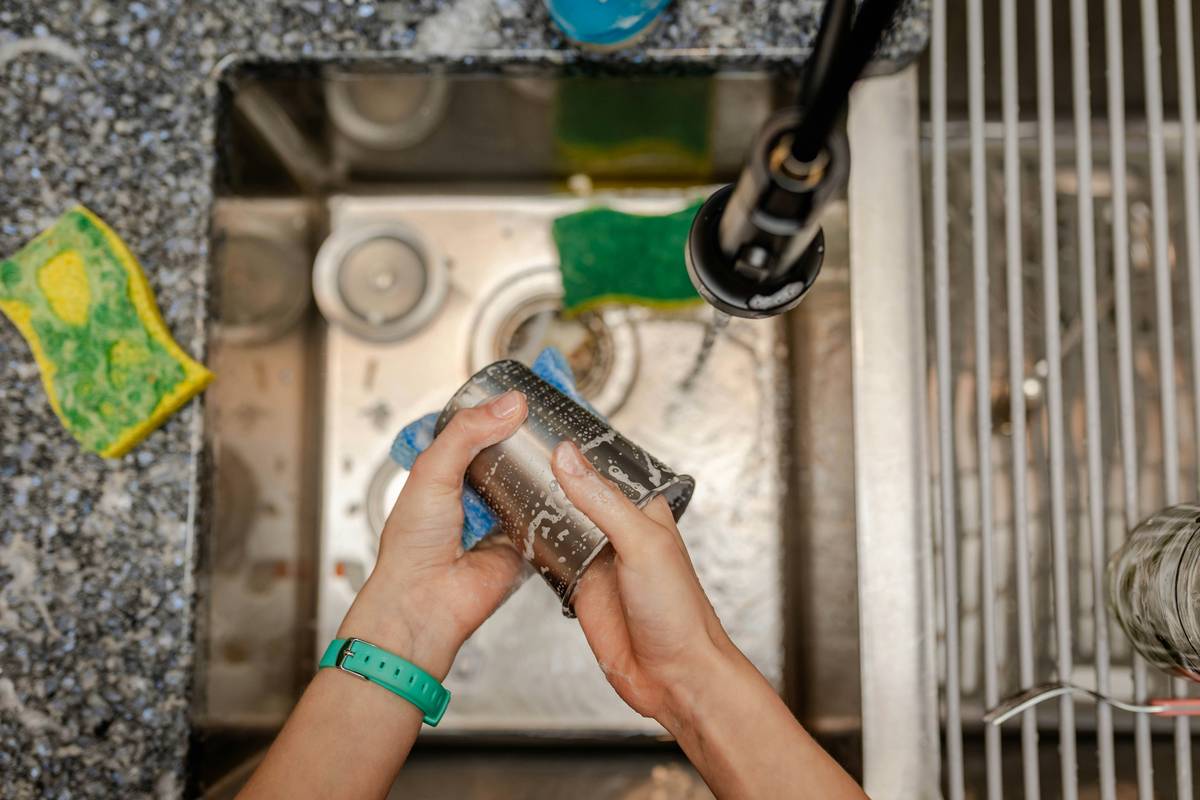
This is where I messed up initially. Leaving my cloth bunched in the sink led to mold and rapid breakdown. Instead, hang it on a hook or lay it flat on a drying rack. Airflow = longevity.
Best Practices for Long-Lasting Eco Cloths
- Sanitize weekly: Microwave a damp cloth for 60 seconds or run it through the top rack of your dishwasher. Both methods kill bacteria without harming fibers.
- Avoid harsh abrasives: Steel wool or gritty powders tear cellulose fibers. Use baking soda paste for stuck-on food instead.
- Replace every 4–8 weeks: Even the best biodegradable cleaning cloth wears out. When it starts shredding or losing shape, compost it.
- Never bleach: Chlorine bleach breaks down organic materials prematurely and negates eco-benefits.
And here’s a terrible tip I once believed: “Just toss it in the washing machine with towels.” Wrong! Agitation + detergent shreds the cloth in two cycles. Learned that the hard way.
Real-World Results from Switching
In a 2023 trial with 50 households tracked by the nonprofit Sustainable America, participants who switched to certified biodegradable cloths reduced their kitchen-related plastic waste by 63% within three months. One family reported using just four cloths over eight weeks—compared to 12 plastic sponges previously. Plus, 92% said they cleaned as well or better than conventional options.
At Fairmont Garden, we’ve seen customer repeat orders surge since launching our zero-plastic line. It’s proof that sustainability doesn’t require compromise. Want to share your experience? Reach out via our Contact Us page—we love hearing real stories.
Frequently Asked Questions
Are biodegradable cleaning cloths compostable at home?
Only if labeled “home compostable.” Many require industrial facilities. Look for certifications like OK Compost HOME to be sure.
Can I use a biodegradable cloth on non-stick pans?
Yes—gentler than nylon sponges. Just pair with soft motions and mild soap to preserve pan coatings.
Do they hold odors?
Less than synthetic sponges when properly dried. Bacteria thrive in moisture, not the material itself.
How many times can I reuse one?
Typically 50–100 uses if cared for correctly. That’s 2–3 months of daily dishwashing.
Are all “eco” cloths truly biodegradable?
No. Some contain polyester mesh or synthetic dyes. Always check ingredient lists—true biodegradable cleaning cloth should list only plant-based materials.
Conclusion
Making the switch to a biodegradable cleaning cloth isn’t just about cleaning dishes—it’s about closing the loop on waste, choosing products that honor both your home and the planet. With proper care, these humble tools deliver powerful results without the plastic penalty. Ready to upgrade your kitchen routine? We’d love to help—feel free to contact us with questions. And don’t forget to review our Privacy Policy if you sign up for updates.
Remember: the cleanest kitchen leaves no trace behind.