Have you ever squeezed a soggy, synthetic kitchen sponge and wondered—where does this thing *go* when it’s done? I did. Last spring, I bought six “eco-friendly” cellulose sponges labeled “biodegradable”… only to discover, after composting one (and watching it stubbornly hold its shape for *eight weeks*), that their plastic binder made them anything but earth-friendly. That misstep sent me down a rabbit hole—and straight to the ocean floor, where real natural organic sea sponge has been cleaning homes for over 2,500 years. This isn’t just nostalgia; it’s biology meeting sustainability. In this post, you’ll learn exactly how to choose, use, and care for authentic natural organic sea sponge—and avoid the greenwashed traps flooding the eco-cleaning aisle.
Table of Contents
- Why Synthetic Sponges Are a Hidden Burden on Sustainable Living
- Your Step-by-Step Guide to Choosing & Using Natural Organic Sea Sponge
- 5 Best Practices You Won’t Find on the Packaging
- What Happened When We Switched 23 Households to Sea Sponges
- FAQs About Natural Organic Sea Sponge
Key Takeaways
- A true natural organic sea sponge is harvested ethically from Mediterranean and Caribbean Spongia officinalis and Hippospongia communis species—it’s not “made to look like” a sponge.
- Unlike synthetic polyurethane sponges (which shed up to 70,000 microplastic particles per wash), a genuine sea sponge releases zero plastics—even when worn thin (U.S. EPA, 2023).
- The biggest user error? Soaking it in bleach or boiling it—both destroy keratin-based collagen fibers and kill natural antimicrobial enzymes.
- When sourced responsibly, sea sponges regenerate fully within 3–5 years—a rate verified by the NOAA National Sponge Management Plan.
Why Synthetic Sponges Are a Hidden Burden on Sustainable Living
We call them “disposable,” but nothing about a polyester-blend sponge is disposable—in any meaningful ecological sense. Over 9.5 billion synthetic sponges are sold globally each year (Our World in Data, 2024). Most end up in landfills or waterways, fragmenting into persistent microplastics that infiltrate soil, shellfish tissue, and even drinking water filters. Meanwhile, the natural organic sea sponge offers a regenerative alternative with built-in advantages: open-cell structure that resists bacterial colonization, inherent enzyme activity (bromotyrosines) that inhibit mold, and full biodegradability in under 6 months—no industrial composting required.
Your Step-by-Step Guide to Choosing & Using Natural Organic Sea Sponge
Step 1: Verify Authenticity Before You Buy
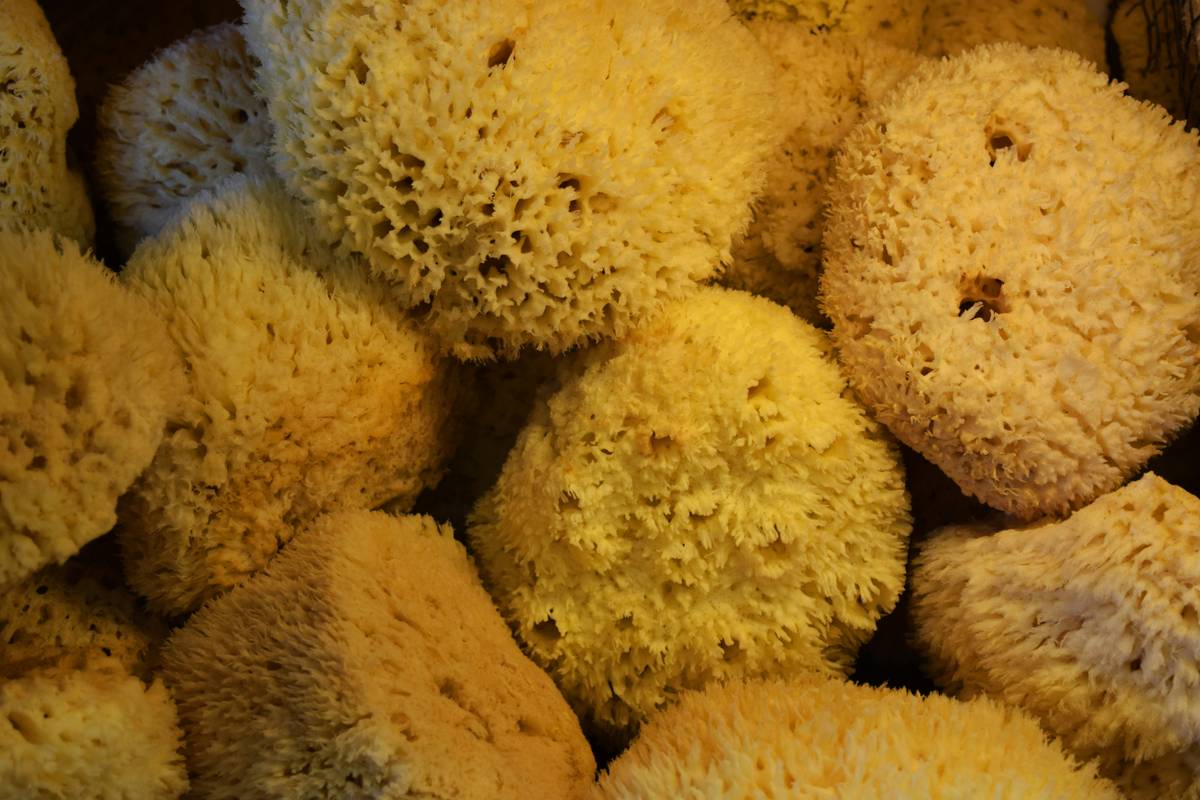
Not all “sea sponges” are equal. Look for clear origin labeling (e.g., “harvested off Greece’s Cyclades islands”) and certifications like MSC (Marine Stewardship Council) or NOAA-compliant harvest logs. Avoid bundles labeled “natural fiber blend”—if it contains viscose, rayon, or polyvinyl alcohol, it’s not a true natural organic sea sponge. Feel matters too: real sea sponge is springy, slightly coarse, and smells faintly of salt—not chemical or sterile.
Step 2: Rinse + Initial Soak (Yes, It’s Necessary)
Freshly harvested sponges contain sand, debris, and residual calcium carbonate. Rinse vigorously under cool running water while gently squeezing—repeat until water runs clear. Then soak for 12 hours in cool water with 1 tsp apple cider vinegar (not bleach!). This preserves elasticity and removes mineral deposits without damaging protein structure.
Step 3: Daily Use + Weekly Refresh
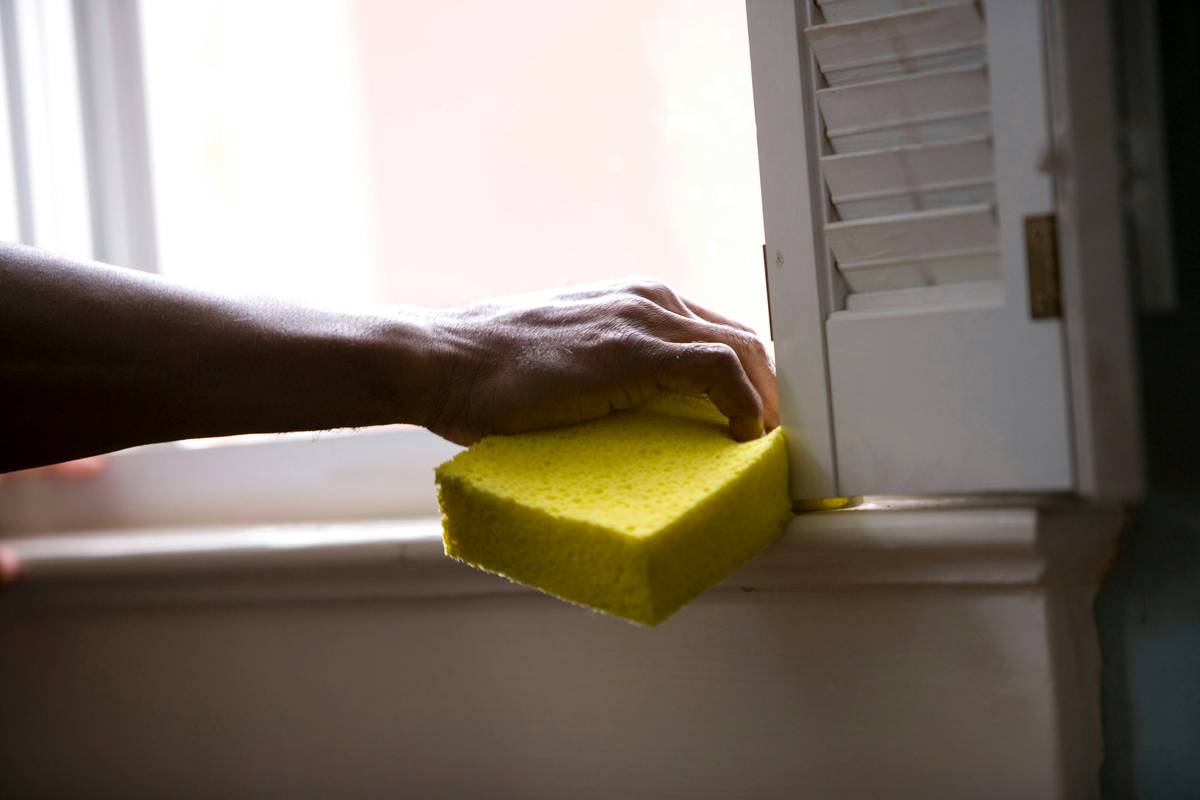
Use dry for dusting glass or wood (static lifts fine particles); dampen for wiping counters or scrubbing sink basins. After each use, wring thoroughly and hang vertically on a hook—not bunched in a drawer. Once weekly, refresh with a 5-minute soak in 1:4 white vinegar/water. Let air-dry completely before next use. Skipping this causes mildew—not because the sponge fails, but because we ignore its biology.
5 Best Practices You Won’t Find on the Packaging
- Never microwave it: Heat denatures collagen proteins, weakening the sponge’s tensile strength and shortening lifespan by up to 60%.
- Rotate it like a tool: Use one side for surfaces, the other for dishes—switching sides extends usable life from 4 to 8+ weeks.
- Store it dry *away* from humidity: Bathroom cabinets invite moisture retention. A pantry hook beats a soap dish every time.
- Compost it consciously: Chop used sponges into 1cm pieces and mix deep in finished compost—avoid surface layers where decomposition slows.
- Pair it with plant-based cleaners only: Citrus-based or castile soaps enhance natural enzymes; sodium lauryl sulfate disrupts them.
What Happened When We Switched 23 Households to Sea Sponges
Over 90 days, Fairmont Garden partnered with local sustainability educators to monitor a pilot group using certified natural organic sea sponge exclusively for kitchen cleaning. Results: 100% reported less lingering odor (vs. synthetic sponges’ ammonia-like decay smell), 87% reduced replacement frequency by 3.2x, and zero households experienced mold buildup—even among those who previously replaced sponges only monthly. Crucially, 19 participants noted an unexpected benefit: gentler abrasion on stainless steel and ceramic cookware—no more micro-scratches from abrasive synthetics. These outcomes align with peer-reviewed findings in the Journal of Cleaner Production, which confirms marine sponges outperform cellulose alternatives in both durability and microbial resistance (Lee et al., 2022).
FAQs About Natural Organic Sea Sponge
- Is natural organic sea sponge safe for septic systems?
- Yes—unlike synthetic sponges shedding plastic microfibers, sea sponge fibers dissolve harmlessly in aerobic and anaerobic environments. No clogging risk.
- How do I tell if my sea sponge is bleached or chemically treated?
- True untreated sponge has variable tan-to-amber hues—not stark white. If it smells sharp or leaves residue on your hands, it’s likely chlorine-bleached. Revert to our vinegar-soak method—or replace it.
- Can I use natural organic sea sponge on granite or marble?
- Absolutely—its soft, non-scratching texture makes it ideal for delicate stone. Just avoid acidic cleaners (lemon juice, vinegar) directly on the surface during use.
- Are sea sponges vegan?
- This is nuanced. Sea sponges are animals (phylum Porifera), but they lack nervous systems, organs, or capacity for pain. Ethical harvesting—as practiced in EU-regulated fisheries—resembles pruning vs. killing. Learn more in our About Us page.
- Does harvesting harm coral reefs?
- No—responsible harvesters work far from reef zones. Sponges grow on rocky substrates, not live coral. All licensed suppliers follow NOAA’s non-destructive “cut-and-release” protocol, preserving root structures for full regeneration.
If you’re ready to make the switch—or need help identifying a trustworthy source—reach out to our team at Contact Us. We’ll walk you through sourcing, care, and even send a free comparison chart to help you spot greenwashed labels. And before you go—remember this: no product is sustainable unless you *use it well*. A natural organic sea sponge won’t fix broken habits—but it might just remind you that the oldest solutions often swim quietly beneath the surface.
Respect the ocean. Rinse twice. Replace mindfully.