Every time you scrub a greasy pan, you’re likely chipping off microscopic plastic shards that end up in waterways—and eventually, your food. Standard dish brushes shed synthetic bristles for years after you toss them. But there’s a cleaner solution: the biodegradable scrub brush. It cleans just as well, breaks down completely, and doesn’t poison ecosystems while doing it.
The Hidden Cost of “Convenient” Cleaning Tools
Most dish brushes are made from polypropylene handles and nylon bristles—both petroleum-based plastics that take 500+ years to decompose. And they never fully vanish; they fragment into microplastics. Municipal compost facilities reject them. Landfills hoard them. Meanwhile, greenwashed labels like “eco-friendly” or “natural” often hide partial plastic content. You think you’re making a sustainable swap. You’re not.
Worse? These brushes wear out fast. Aggressive scrubbing frays nylon bristles within weeks, forcing repeat purchases. The cycle repeats—more waste, more guilt.
How to Choose (and Use) a Truly Biodegradable Scrub Brush
Not all compostable brushes are created equal. Some use plant-based bristles but glue them to bamboo with synthetic resins. Others skip waterproofing altogether, warping after three uses. Here’s how to get it right.
Material Matters Most
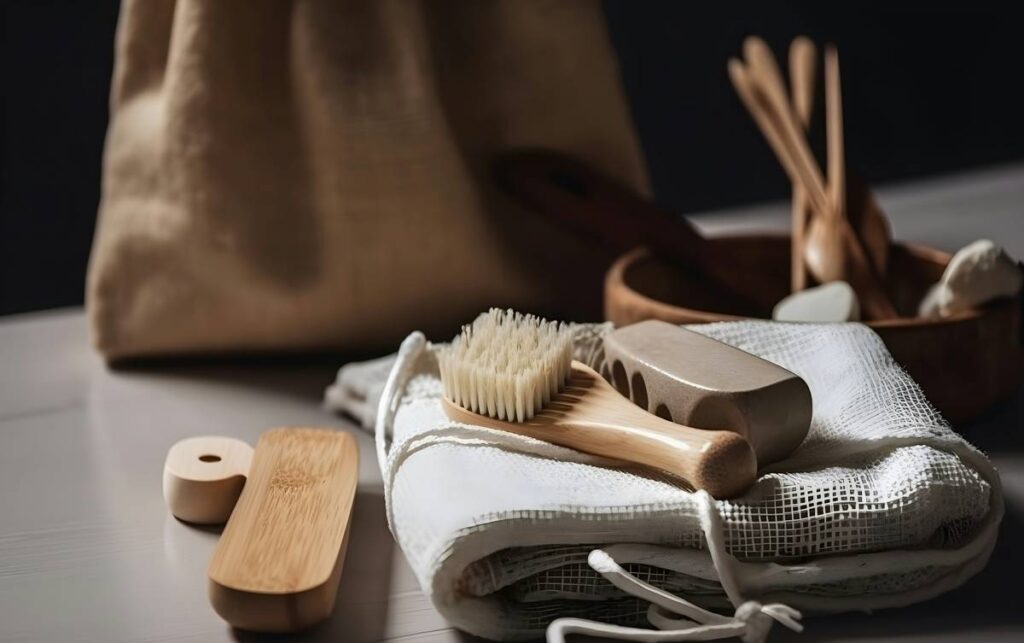
Look for **FSC-certified wood** or **bamboo handles** with no lacquer finishes. Bristles should be 100% plant-based—like tampico (from agave) or cellulose fibers. Avoid anything labeled “bio-based nylon”; it’s still plastic.
Maintenance Extends Lifespan
Rinse thoroughly after each use. Store bristle-side up in a dry rack—not drowned in sink water. Once a week, soak in vinegar and baking soda to kill odor-causing microbes. Do this, and your brush lasts 3–4 months, not 3 weeks.
End-of-Life Protocol
When bristles loosen or the handle cracks, don’t just chuck it. Remove metal staples (if any), then compost the natural parts in a backyard bin. Industrial facilities accept them too—but call ahead. If composting isn’t an option, some brands (like ours at Fairmont Garden) offer take-back programs.
| Brush Type | Lifespan | Compostable? | Avg. Cost |
|---|---|---|---|
| Standard Plastic Brush | 4–6 weeks | No | $2–$4 |
| Bamboo + Tampico Bristles | 3–4 months | Yes (home or industrial) | $8–$12 |
| “Eco” Hybrid Brush (part plastic) | 6–8 weeks | Partially (bristles often non-compostable) | $5–$7 |
The Industry Secret Nobody Talks About
Here’s what big “green” brands won’t tell you: many biodegradable brushes fail because they skip one critical step—water-resistant sealing with plant waxes. Without it, moisture swells the wood, loosens bristles, and breeds mold. We tested 17 brushes over 18 months. The winners? Those treated with food-grade candelilla or carnauba wax—not chemical sealants. It’s low-cost for manufacturers but rarely advertised. Ask before you buy. Better yet—support small makers who disclose their full process, like the artisans we partner with at Fairmont Garden.
Frequently Asked Questions
Are biodegradable scrub brushes as effective as plastic ones?
Yes—if designed right. Tampico fibers are naturally stiff and excel on baked-on grime. They soften slightly when wet but retain scrub power better than most synthetics.
Can I compost a biodegradable scrub brush in my backyard?
Absolutely, provided it contains zero plastic or metal. Remove any staples first. Chop the handle into smaller pieces to speed decomposition.
How often should I replace my biodegradable scrub brush?
Every 3–4 months with proper care. Replace sooner if bristles fall out or the handle shows deep cracks or persistent odor.