You’ve swapped plastic bottles for glass. Replaced paper towels with rags. But that innocent-looking dish brush lurking by your sink? It’s likely a slow-motion landfill bomb—made of polypropylene bristles fused to a non-recyclable handle. Every scrub sends microplastics swirling down the drain. And “eco-friendly” labels? Often greenwashing theater. The solution isn’t just swapping—it’s choosing a truly biodegradable dish brush designed to vanish without trace.
The Hidden Toxicity of “Green” Cleaning Tools
Most compostable scrub brushes on the market are hybrids. Bamboo handle? Great. But nylon or polyester bristles? Not so much. These synthetic fibers resist decomposition for centuries—and contaminate compost streams. Municipal facilities reject them. Home piles choke on them.
Worse: many “biodegradable” claims rely on industrial composting conditions (50–60°C, specific microbes) unavailable to 95% of households. You toss it in your backyard bin. It sits. For years.
And that’s if you’re lucky. Some degrade partially—leaving ghostly skeletons of plastic embedded in soil.
How to Choose & Use a Truly Biodegradable Dish Brush
Material Integrity Matters More Than Marketing
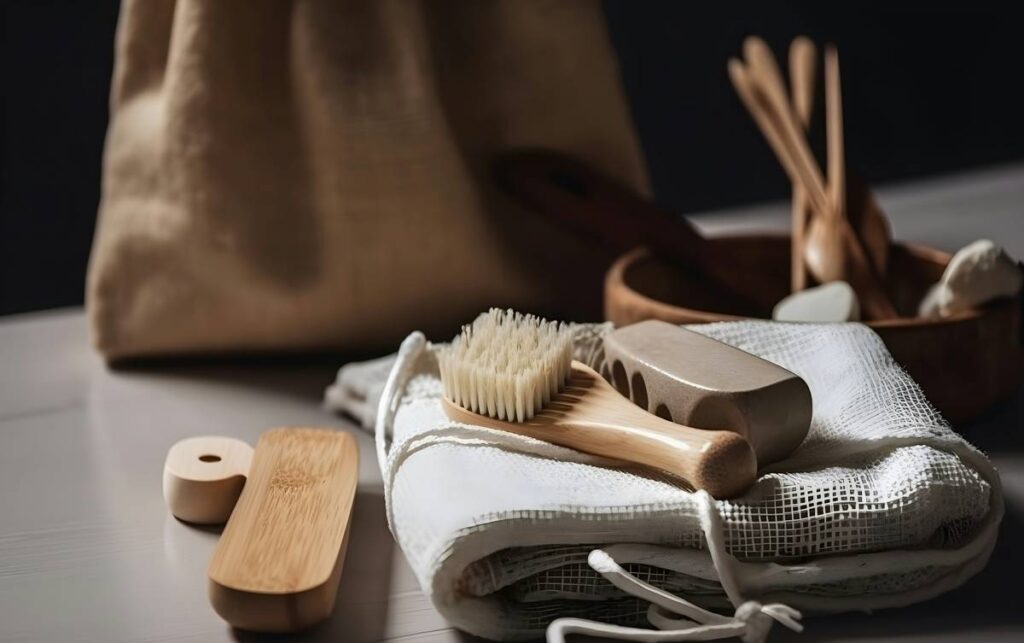
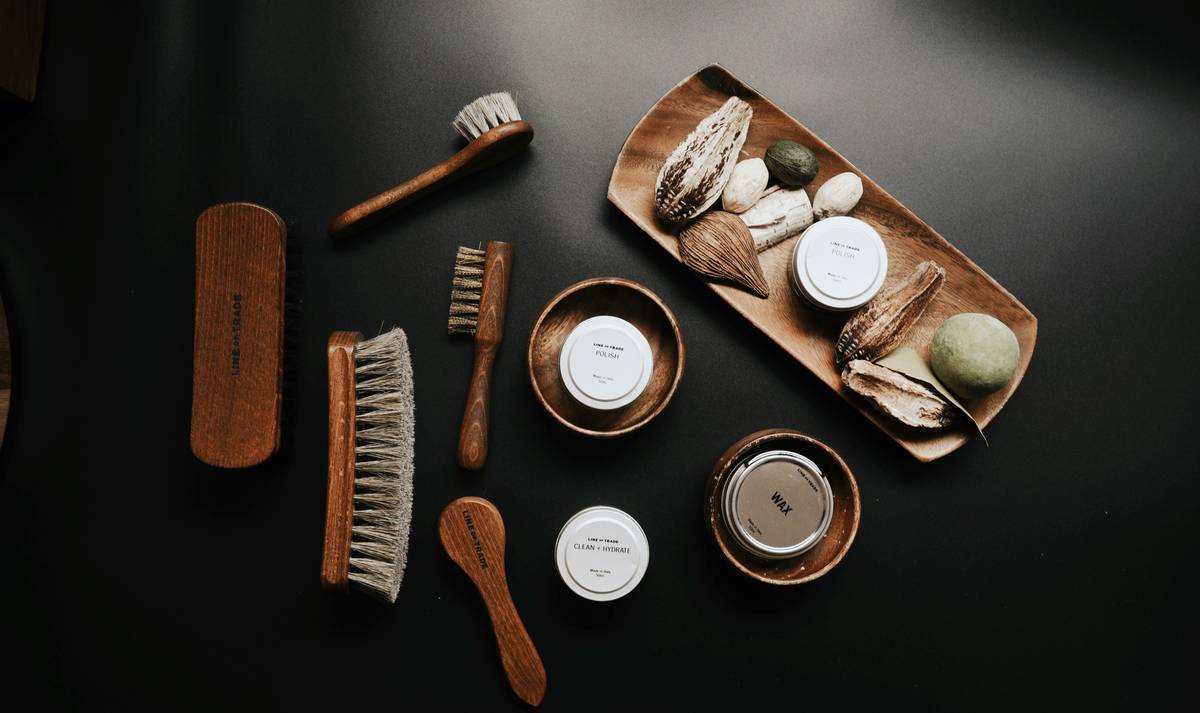
A genuine biodegradable dish brush must be fully plant- or mineral-based: handle from FSC-certified wood or bamboo, bristles from agave, tampico fiber, or coconut coir. No blends. No synthetics.
Your Lifecycle Checklist
Before buying, ask: Can every component break down in a home compost within 6 months? If not, walk away. Also check bristle density—too stiff scratches cookware; too soft won’t tackle baked-on grime.
| Brush Type | Bristle Material | Handle Material | Home Compostable? | Cost per Unit (CAD) |
|---|---|---|---|---|
| Conventional Plastic Brush | Nylon | Polypropylene | No | $2–$4 |
| “Eco” Hybrid Brush | Nylon + Bamboo | Bamboo | No (bristles persist) | $6–$9 |
| True Biodegradable Dish Brush | Tampico or Coconut Coir | FSC Wood or Untreated Bamboo | Yes (6–8 weeks) | $8–$12 |
Care Protocol for Maximum Lifespan
Rinse thoroughly after each use. Store upright to air-dry—never leave sopping in a puddle. A weekly vinegar soak prevents mold and extends usability by months. When bristles fray or the handle softens, compost it. No guilt. No waste.
The Industry Secret: Bristle Bonding Determines Everything
Here’s what brands won’t tell you: even natural bristles fail if glued with petrochemical adhesives. The brush might look compostable—but that resin sealant? It’s a decomposition blocker.
The real innovators use mechanical crimping or plant-based starch binders. Fairmont Garden’s workshop tests every batch by submerging handles in active compost for 30 days. If any residue remains, it’s rejected. That’s how you know it’s legit—not just labeled.
Think about it: a product claiming to reduce harm shouldn’t create hidden contamination. The math is simple—zero toxins in, zero toxins out.
Frequently Asked Questions
Are biodegradable dish brushes as effective as plastic ones?
Yes—if designed well. Tampico fibers have natural abrasiveness that scrubs without scratching. They soften slightly when wet but retain structure far longer than cheap synthetics.
Can I compost a biodegradable dish brush in my backyard bin?
Absolutely—provided it’s 100% natural materials. Chop the handle into smaller pieces to speed breakdown. Avoid if your compost runs cold (<20°C).
How long does a biodegradable dish brush last?
3–6 months with daily use. Longer if you let it dry fully between uses. Replace when bristles loosen or the wood shows deep cracks.