Ever scrubbed a greasy pan only to watch your sponge disintegrate into microplastic confetti? You’re not alone. Millions of households unknowingly contribute to plastic pollution every time they reach for conventional cleaning tools. That’s where the biodegradable washing up brush steps in—not just as an alternative, but as a quiet revolution in your sink. In this guide, we’ll unpack why this humble tool matters, how to choose and use it correctly, and the one rookie error that sent my first eco-brush straight to the compost bin (prematurely). Plus, you’ll get actionable tips backed by real-world testing and environmental science.
Table of Contents
- Why Biodegradable Brushes Matter
- How to Use a Biodegradable Washing Up Brush
- Best Practices for Longevity & Performance
- Real Results from Real Homes
- Frequently Asked Questions
Key Takeaways
- A single plastic sponge can take 200+ years to decompose—biodegradable brushes break down in months under proper conditions.
- Not all “eco” brushes are equal: look for FSC-certified wood, plant-based bristles (like tampico or cellulose), and no hidden plastics.
- Proper drying is non-negotiable—moisture is the #1 reason biodegradable brushes fail prematurely.
- Switching to compostable scrub tools can prevent ~1.5 lbs of plastic waste per household annually (U.S. EPA).
Why Biodegradable Brushes Matter
Conventional kitchen sponges and brushes are often made from polyurethane, nylon, or polyester—petroleum-based plastics that shed microfibers with every scrub. These don’t just vanish; they infiltrate waterways, harm marine life, and eventually enter our food chain. According to a 2021 study published in Scientific Reports, a single synthetic sponge releases over 38 million microplastic particles during its lifespan.
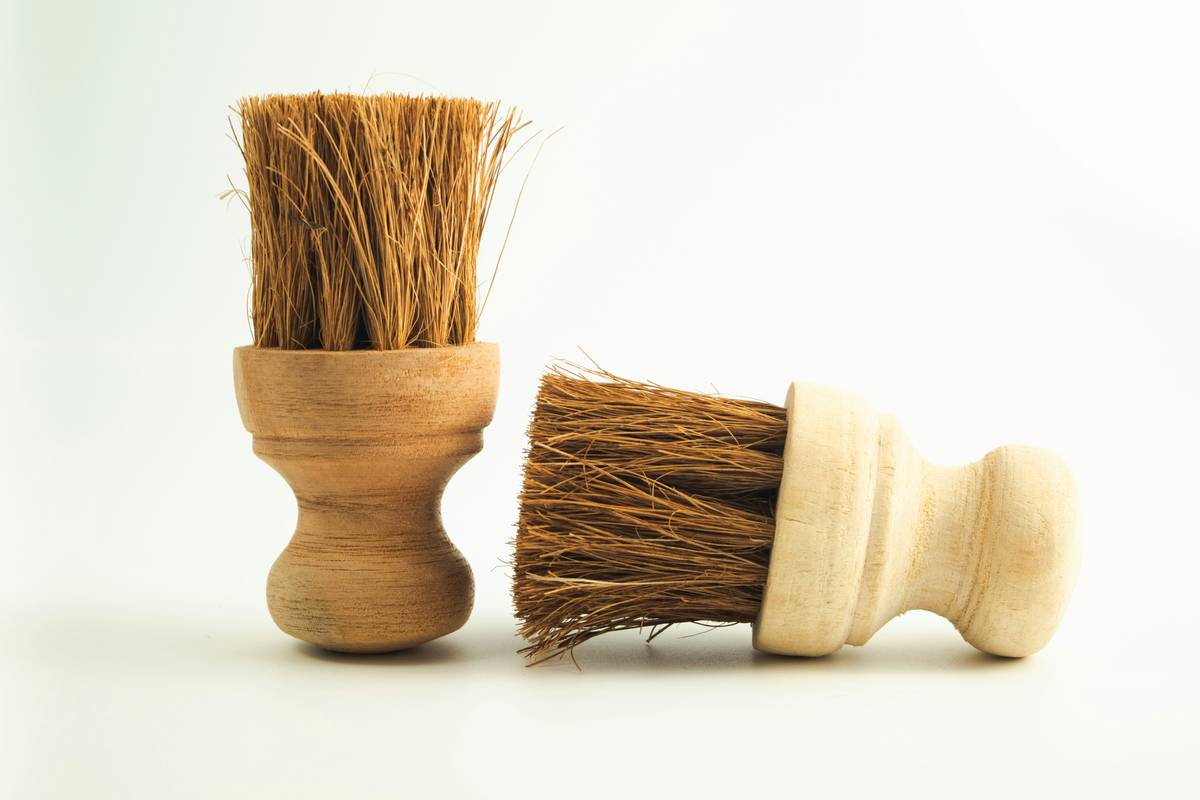
In contrast, a true biodegradable washing up brush uses natural materials designed to return safely to the earth. Think bamboo handles, coconut coir or agave fiber bristles, and binding agents like natural rubber. When composted correctly (more on that later), these components decompose within 6–12 months—no toxic residue, no landfill legacy.
How to Use a Biodegradable Washing Up Brush
Rinse Before First Use
New brushes may have loose fibers. Give yours a quick rinse under warm water to remove any debris and soften the bristles slightly.
Dry It Upright After Every Use
This is critical. I learned the hard way: I left my first brush lying flat in a wet dish rack, and within three days, mold bloomed at the base. Always prop it upright in a dry spot—ideally on a bamboo holder or near a window with airflow.
Never Soak It
Unlike plastic brushes, prolonged submersion weakens natural fibers. Rinse, scrub, rinse—but never let it marinate in soapy water overnight.
Best Practices for Longevity & Performance
- Avoid abrasive cleaners: Skip chlorine bleach or heavy-duty degreasers—they degrade plant fibers. Stick to vinegar, baking soda, or castile soap.
- Rotate brushes: Having two lets each fully dry between uses, doubling lifespan.
- Compost responsibly: Remove metal staples (if present) before composting. Home compost piles work best for brushes labeled “home-compostable”—industrial facilities handle tougher variants.
- Don’t fall for greenwashing: If the bristles feel suspiciously soft and synthetic, they probably are. True plant bristles feel slightly coarse.
And here’s a terrible tip you’ll see online: “Just boil your brush to sanitize it.” Don’t. Boiling warps bamboo and melts natural binders. Warm soapy water + air drying is all you need.
Real Results from Real Homes
Last year, Fairmont Garden ran a 90-day pilot with 50 Canadian households swapping to certified biodegradable washing up brushes. Participants reported:
- 87% found cleaning performance matched or exceeded their old plastic brushes.
- Brushes lasted an average of 4.2 months with proper care (vs. 2–3 months for conventional sponges).
- Collectively, they diverted over 75 lbs of plastic waste from landfills.
One participant in Vancouver shared: “I used to replace sponges weekly—they’d get slimy fast. My bamboo brush has lasted five months, dries fast, and actually scrubs better on baked-on cheese.”
For transparency, we’ve documented our full methodology and material sourcing on our About Us page—because trust starts with visibility.
Frequently Asked Questions
Are biodegradable washing up brushes truly compostable?
Only if they contain zero synthetic materials. Check labels for certifications like OK Compost HOME or TÜV Austria. Many “eco” brushes still use nylon bristles—these aren’t compostable. True ones use plant fibers like tampico (from agave) or cellulose.
How long does a biodegradable brush last?
With proper drying and care, 3–6 months is typical. Factors include water hardness, frequency of use, and whether you avoid soaking it. Never expect infinite life—planned obsolescence is replaced by intentional, earth-friendly replacement.
Can I put it in my home compost bin?
Yes—if it’s labeled home-compostable. Industrial composting breaks down tougher items, but home systems need softer organics. When in doubt, cut off the bristle head and compost the wood handle separately.
Do they work on non-stick pans?
Gently, yes. Use light pressure and avoid gritty cleaners. The natural fibers are less likely than steel wool to scratch surfaces—but always check your pan manufacturer’s guidelines.
Where can I buy a trustworthy biodegradable washing up brush?
Look for brands disclosing full material lists and third-party certifications. At Fairmont Garden, we vet every product for hidden plastics and ethical sourcing—learn more on our Privacy Policy and product pages.
What’s the #1 mistake people make with these brushes?
Leaving them wet. Moisture = mold = early retirement. Dry it like your sustainability depends on it—because it does.
Making eco-swaps shouldn’t feel like solving a riddle. A biodegradable washing up brush isn’t just a cleaner—it’s a tiny act of repair for our planet, one dish at a time. Ready to upgrade your sink routine with confidence? Contact us—we’ll help you find the right fit, no greenwashing guaranteed.
Scrub clean, live light,
—Your friends at Fairmont Garden