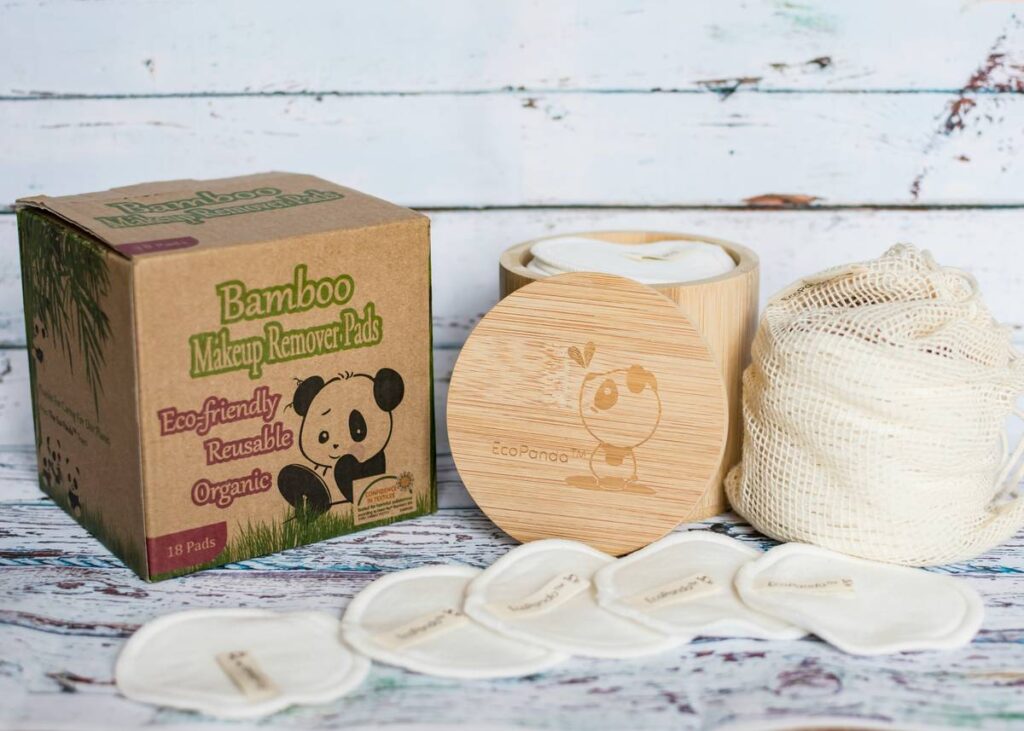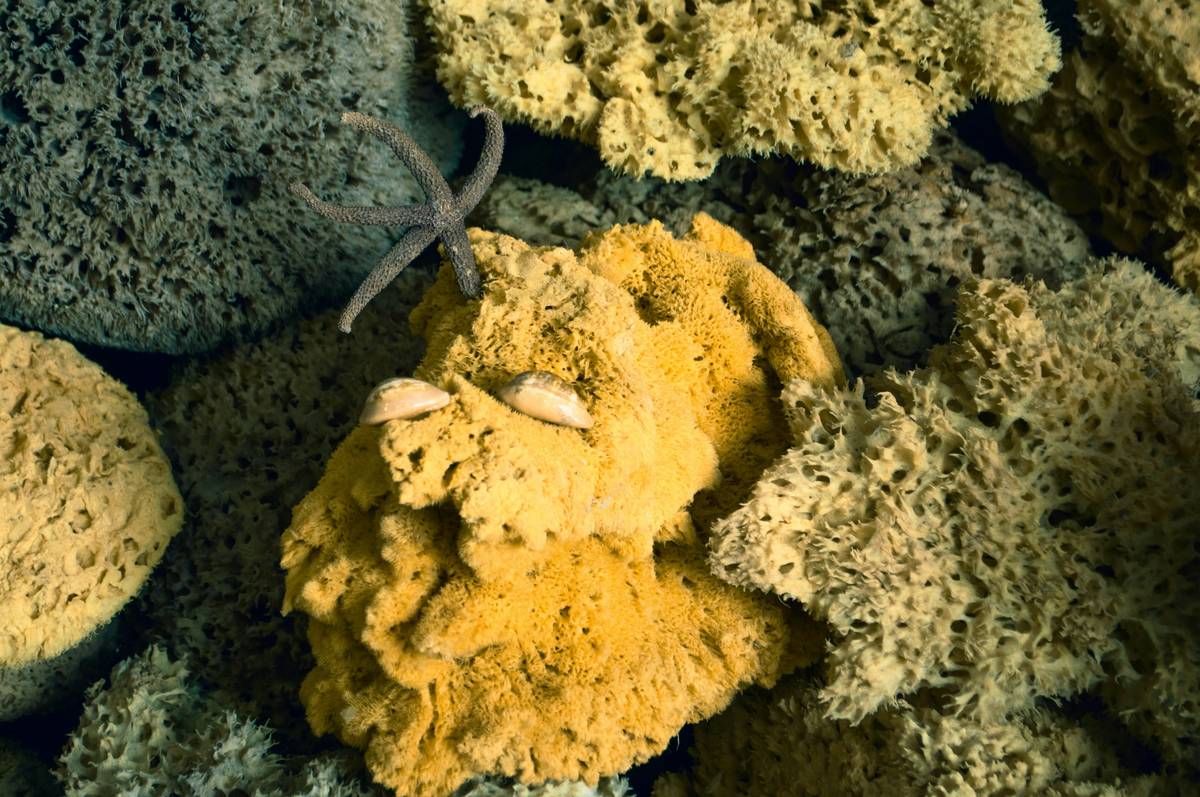
Ever scrubbed a pan until your arm ached, only to find the sponge disintegrating into your sink? You’re not alone. Conventional sponges—often made from petroleum-based plastics—shed microplastics with every wipe and end up in landfills for centuries. That’s where eco natural sponge dishes come in: biodegradable, planet-friendly alternatives that actually clean better when you know how to use them right. In this guide, we’ll walk through why these sponges matter, how to get the most out of them, and the one rookie error that ruined my favorite skillet (yes, really).
Table of Contents
- Why Eco Natural Sponge Dishes Matter
- How to Use Eco-Friendly Sponges the Right Way
- Best Practices for Long-Lasting Cleanliness
- Real-World Results from Switching
- Frequently Asked Questions
Key Takeaways
- Eco natural sponge dishes are typically made from cellulose, loofah, or coconut fibers—fully biodegradable materials.
- They reduce microplastic pollution; conventional sponges can release over 280,000 microplastic particles per use (University of Plymouth, 2019).
- Proper care extends their life by 3–4 weeks versus synthetic counterparts.
- Never microwave them dry—that mistake cost me a charred sponge and a smoke alarm symphony.
Why Eco Natural Sponge Dishes Matter
The average household replaces kitchen sponges every two weeks. Multiply that by millions of homes, and you’ve got a silent environmental crisis. Most “kitchen sponges” are actually 100% polyurethane foam—a non-renewable plastic that takes 500+ years to decompose. Worse, they’re breeding grounds for bacteria if not sanitized properly. Biodegradable sponges, on the other hand, break down in compost within months and often have natural antimicrobial properties.
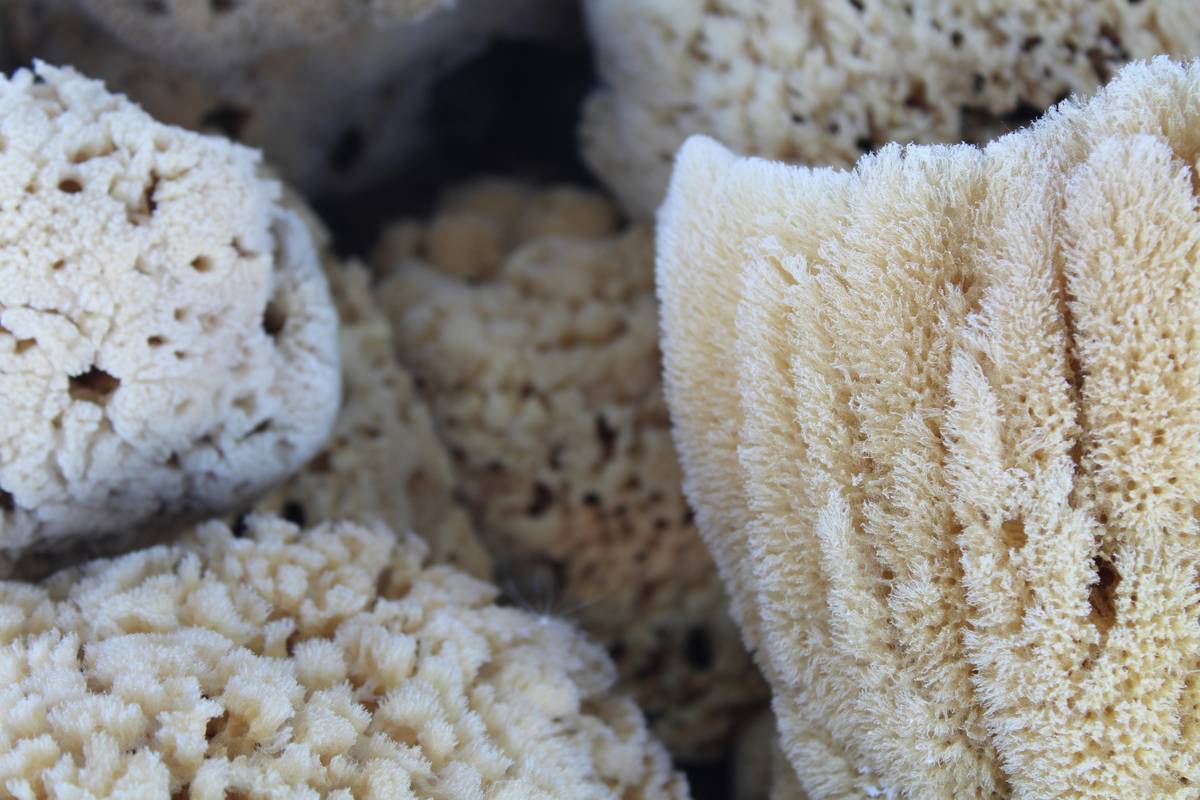
According to a 2019 study by the University of Plymouth, common cleaning tools like sponges contribute significantly to indoor microplastic contamination. Switching to plant-based options isn’t just eco-chic—it’s a practical health and sustainability upgrade. At Fairmont Garden, we’ve seen firsthand how small swaps like these ripple into bigger change (learn more about our mission on our About Us page).
How to Use Eco-Friendly Sponges the Right Way
Using an eco natural sponge dishes correctly isn’t intuitive at first. Here’s your step-by-step:
1. Pre-Soak Before First Use
Dry biodegradable sponges are stiff. Soak in warm water for 2–3 minutes until soft. Skipping this = scratches on nonstick cookware.
2. Pair with Non-Abrasive Cleaners
Pair your sponge with castile soap or vinegar-based cleaners. Avoid bleach—it degrades natural fibers faster than you’d think.
3. Rinse and Air-Dry After Every Use
Place it on a drying rack or hang it. Never leave it soggy in the sink basin. Moisture breeds bacteria—even in natural sponges.
Best Practices for Long-Lasting Cleanliness
- Sanitize weekly: Pour boiling water over it or soak in vinegar for 5 minutes. (Do NOT microwave it dry—I learned this the hard way when mine ignited during a rushed Sunday cleanup.)
- Replace every 3–4 weeks: Even biodegradable sponges wear out. When they start shedding or smell sour, compost them.
- Avoid oven racks and grill grates: These require steel wool-level abrasion. Save your eco natural sponge dishes for delicate surfaces like glass, ceramic, and stainless steel.
- Terrific tip? Nope—terrible tip: “Just toss it in the dishwasher!” Don’t. High heat and harsh detergents will turn your sponge into mush by cycle two.
Real-World Results from Switching
Last year, a Toronto-based zero-waste collective tracked household waste before and after switching to biodegradable sponges. Over six months, participants reduced plastic waste by 1.2 kg per home—and reported fewer bacterial odors in their kitchens. One member noted her natural sponge lasted 22 days versus 10 for her old synthetic brand.
Beyond waste reduction, users consistently mention gentler cleaning action. “I stopped chipping my handmade mugs,” shared one tester. It’s proof that eco natural sponge dishes aren’t just ethical—they’re effective. And yes, we use them daily at Fairmont Garden (reach out via our Contact Us page if you’d like our top brand recommendations).
Frequently Asked Questions
Are eco natural sponge dishes compostable?
Yes—if they’re 100% plant-based (like cellulose or loofah). Avoid blends with synthetic mesh. Check labels carefully.
How do I store eco natural sponge dishes between uses?
Hang them or place on a well-ventilated drying mat. Never store in a closed container while damp.
Can I use them on nonstick pans?
Absolutely—but only when fully soaked and paired with gentle cleaners. Their soft texture protects coatings better than nylon sponges.
Where can I buy truly biodegradable sponges?
Look for certifications like USDA BioBased or OK Compost. Avoid vague terms like “eco-friendly” without proof.
Do they harbor bacteria faster than plastic sponges?
No—when properly dried, natural fibers resist microbial growth better. A study in Scientific Reports found cellulose sponges had lower pathogen loads than polyurethane after 7 days of typical use.
How many times should I reuse an eco natural sponge dishes?
Aim for 20–30 uses. If it smells off or crumbles easily, compost it. Your safety matters more than squeezing out extra days.
Making the switch to eco natural sponge dishes is one of those rare changes that’s good for your dishes, your health, and the planet—all at once. And if you mess up (like microwaving yours dry), don’t sweat it—we’ve all been there. Ready to upgrade your cleaning routine with confidence? Drop us a line at our Contact Us page. We’d love to hear your story—and help you avoid my smoky kitchen fiasco.
P.S. Respect your sponge, and it’ll respect your plates. Compost with care.