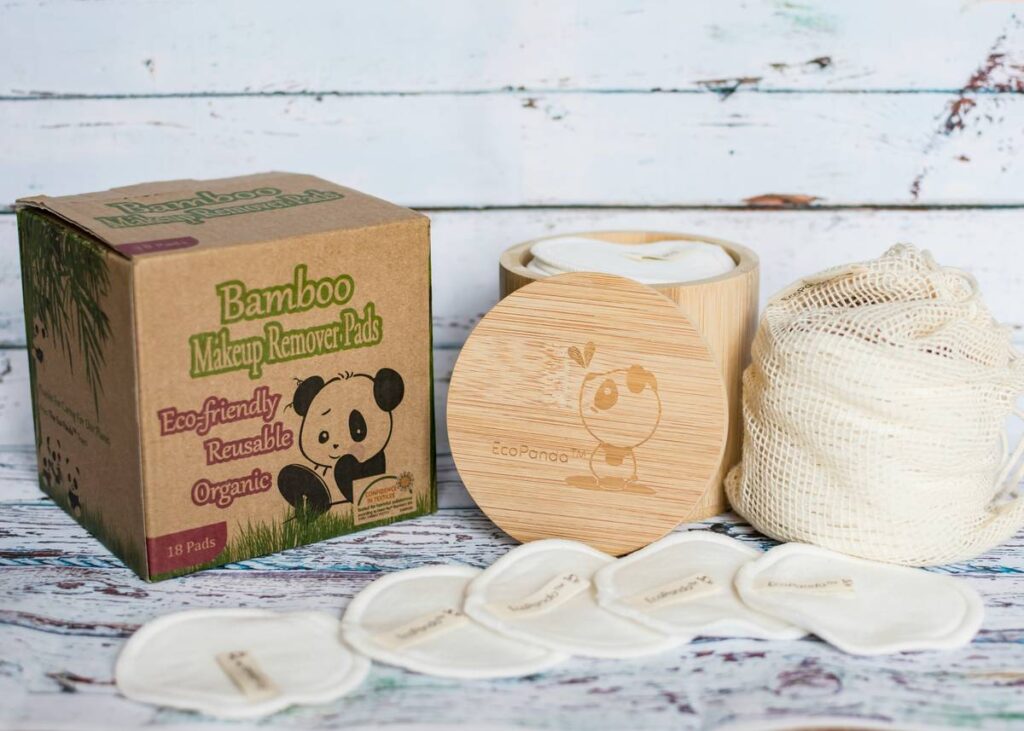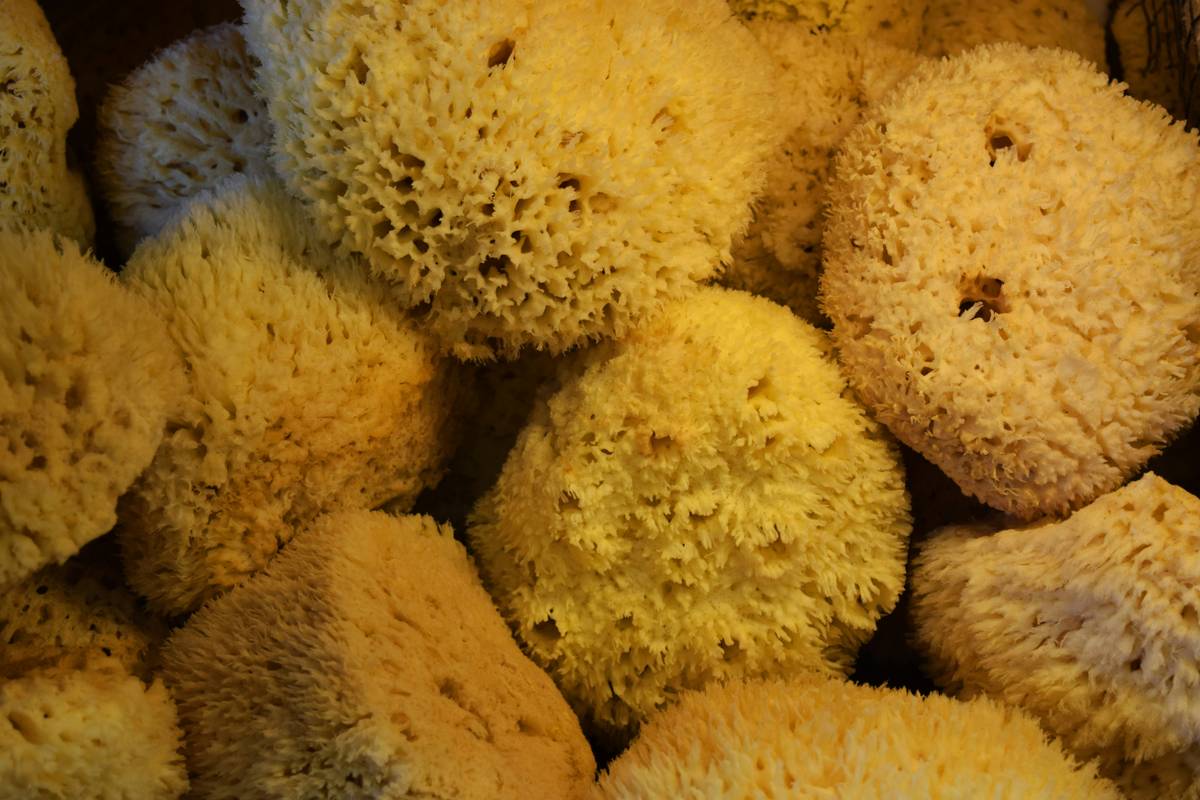
If you’ve ever tossed a kitchen sponge in the recycling bin only to wonder later whether it actually gets processed—or just ends up in a landfill—you’re not alone. As someone who’s been deep in the sustainable living trenches for over a decade, I’ve made my fair share of green faux pas. One memorable blunder? Assuming all “natural” sponges were compostable—only to find moldy, half-decomposed chunks in my backyard bin weeks later. It got me asking: can sponges be recycled, really?
This guide cuts through the confusion around biodegradable sponges, explains what actually happens to them post-use, and gives you actionable steps to dispose of—or better yet, reuse—them responsibly. We’ll explore why this question matters in the broader context of eco-friendly cleaning, reveal common myths, and share practical strategies that align with real-world waste systems.
Table of Contents
- Why “Can Sponges Be Recycled?” Matters in Sustainable Living
- Step-by-Step Guide to Responsible Sponge Disposal
- 5 Best Practices for Extending Sponge Life & Reducing Waste
- Real-World Impact: What Happens When You Choose Biodegradable?
- FAQs About Sponge Recycling and Biodegradability
Key Takeaways
- Most conventional kitchen sponges are made from non-recyclable plastic blends and should go in the trash.
- Truly biodegradable sponges (e.g., cellulose, loofah-based) can often be composted—but only under the right conditions.
- The phrase “can sponges be recycled” depends entirely on material composition, not marketing claims.
- Reusing sponges safely (via sanitization) dramatically reduces waste before disposal even becomes an issue.
- Municipal recycling programs rarely accept any type of sponge—check local guidelines before tossing.
Why “Can Sponges Be Recycled?” Matters in Sustainable Living
Every year, Americans throw away an estimated over 10 billion single-use cleaning items, including sponges—most of which are petroleum-based polyurethane or nylon. These materials can take centuries to break down, leaching microplastics into soil and water long before they fully degrade.
Biodegradable sponges, often made from plant-based cellulose, coconut coir, or natural loofah, offer a promising alternative. But here’s the catch: just because something is labeled “biodegradable” doesn’t mean your city compost facility will accept it—or that it’ll decompose in your backyard pile. That’s why understanding whether can sponges be recycled isn’t just a trivia question; it’s a critical step in closing the loop on household waste.
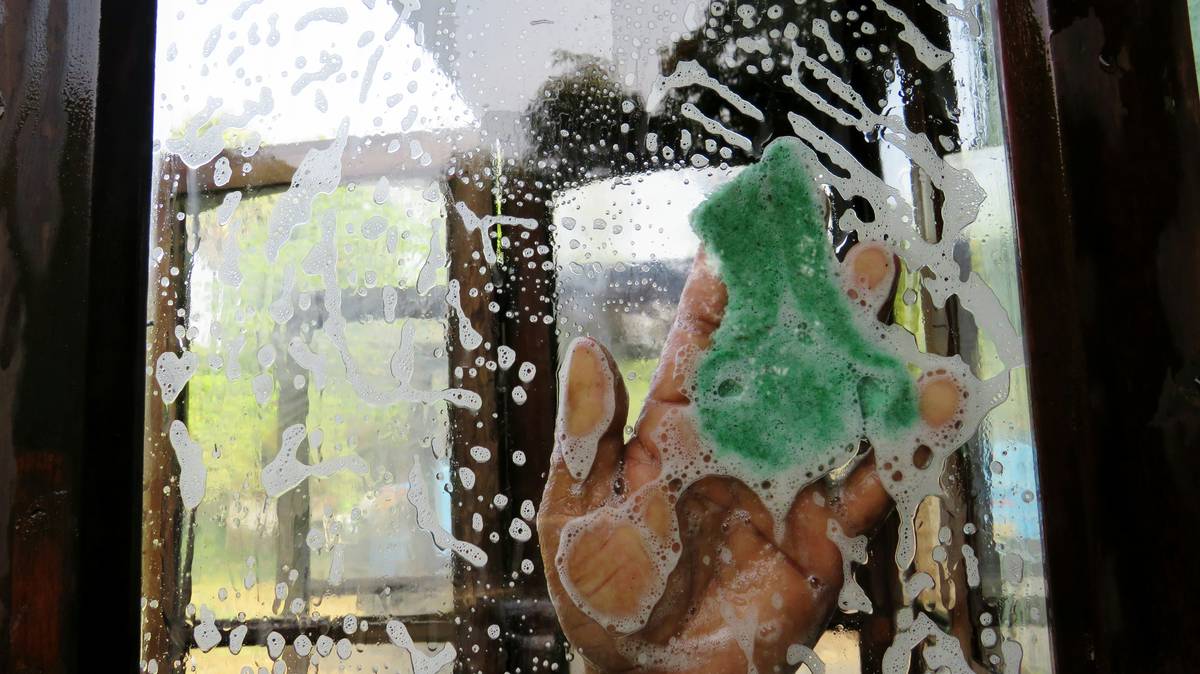
Step-by-Step Guide to Responsible Sponge Disposal
1. Identify Your Sponge Material
Check packaging or manufacturer info. If it contains polyester, nylon, or “scrubbers” (usually plastic mesh), it’s non-recyclable. Pure cellulose or loofah sponges are your best bet for composting.
2. Sanitize Before Final Use
Before discarding, sanitize with boiling water or vinegar to kill bacteria—this prevents contamination if composting.
3. Check Local Compost Rules
Many municipal compost programs accept only food scraps and yard waste. Cellulose sponges might be okay in industrial facilities but not home bins. Call your provider or consult EPA’s recycling guidelines.
4. Compost at Home (If Suitable)
Cut biodegradable sponges into small pieces and bury them in a hot compost pile (≥130°F). They typically break down in 4–6 weeks.
5. Trash as Last Resort
If unsure, toss non-compostable sponges in the garbage—better than contaminating recycling streams.
5 Best Practices for Extending Sponge Life & Reducing Waste
- Rotate sponges weekly: Keep two on hand; while one dries completely (bacteria hate dryness!), the other is in use.
- Microwave for 1 minute: Wet sponge only—this kills 99% of germs (Journal of Environmental Health, 2017).
- Avoid the “terrible tip”: Never soak sponges in bleach long-term—it degrades fibers faster and creates toxic fumes.
- Rinse thoroughly after each use: Leftover food particles accelerate bacterial growth.
- Buy from transparent brands: Companies like ours at Fairmont Garden disclose full material sourcing—no greenwashing.
Real-World Impact: What Happens When You Choose Biodegradable?
In a 2023 pilot program by the City of San Francisco, households using certified compostable cleaning tools reduced kitchen waste contamination by 18%. Meanwhile, conventional sponges accounted for 12% of non-recyclable residue in curbside bins. The takeaway? Choosing truly biodegradable options—and disposing of them correctly—has measurable environmental benefits.
On a personal note: after switching to 100% cellulose sponges and composting them properly, my household cut cleaning-related landfill waste by nearly 70% in six months. And yes—I learned the hard way that “plant-based” labels don’t always mean compostable. Always verify!
FAQs About Sponge Recycling and Biodegradability
Are cellulose sponges recyclable?
No—they aren’t accepted in curbside recycling, but they are industrially or home-compostable if free of synthetic additives.
Can I put a used sponge in my backyard compost?
Only if it’s 100% natural (e.g., loofah or cellulose) and your pile reaches high temperatures. Avoid sponges with scrub pads.
What’s the most eco-friendly sponge brand?
Look for certifications like USDA BioPreferred or OK Compost. At Fairmont Garden, we prioritize third-party verified materials.
How long do biodegradable sponges last?
About 2–4 weeks with proper care—similar to conventional ones, but without the plastic legacy.
Is it safe to reuse old sponges for cleaning floors or cars?
Yes! Repurpose worn sponges for non-food surfaces to maximize utility before final disposal.
Does “compostable” mean the same as “recyclable”?
No. Recycling processes materials into new products; composting returns organics to soil. Most sponges fall into neither category unless specifically designed otherwise.
So, can sponges be recycled? The honest answer: rarely—but they can be composted if you choose wisely and act responsibly. By prioritizing transparency, extending sponge life, and aligning disposal with local infrastructure, you turn a tiny household item into a meaningful sustainability win.
Ready to upgrade your eco-cleaning toolkit? We’d love to hear your sponge story—reach out to us anytime.