Ever scrubbed a greasy pan with a “eco-friendly” sponge only to find it disintegrating into mush by day three? You’re not alone. The switch to sustainable cleaning tools sounds simple—until your kitchen counter becomes a graveyard of soggy, smelly sponges that somehow attract more bacteria than they clean. If you’ve been burned by flimsy biodegradable sponges before, this guide is for you. We’ll walk you through exactly how to choose, use, and maintain a natural cleaning sponge biodegradable how to actually last, cut waste, and clean effectively—without falling for greenwashing traps.
Table of Contents
- Why Biodegradable Sponges Matter (And Why Most Fail)
- Step-by-Step Guide to Using Your Natural Sponge Right
- 5 Best Practices for Long-Lasting, Hygienic Use
- Real Results: How One Household Cut Plastic Waste by 80%
- FAQs About Natural Cleaning Sponges
Key Takeaways
- Not all “biodegradable” sponges break down safely—some contain synthetic binders that leave microplastics.
- A proper rinse-and-dry routine can extend sponge life from days to weeks.
- The phrase “natural cleaning sponge biodegradable how to” isn’t just SEO—it’s your roadmap to avoiding common pitfalls.
- Look for certifications like TÜV OK Compost HOME or USDA BioPreferred for true compostability.
Why Biodegradable Sponges Matter (And Why Most Fail)
Traditional kitchen sponges are petroleum-based polyurethane—a plastic that can take over 50,000 years to decompose. Meanwhile, Americans toss an estimated 300 million plastic sponges annually. Switching to a natural cleaning sponge biodegradable how to handle daily grime seems like a no-brainer—but many eco-sponges fail because they’re poorly constructed or misused.
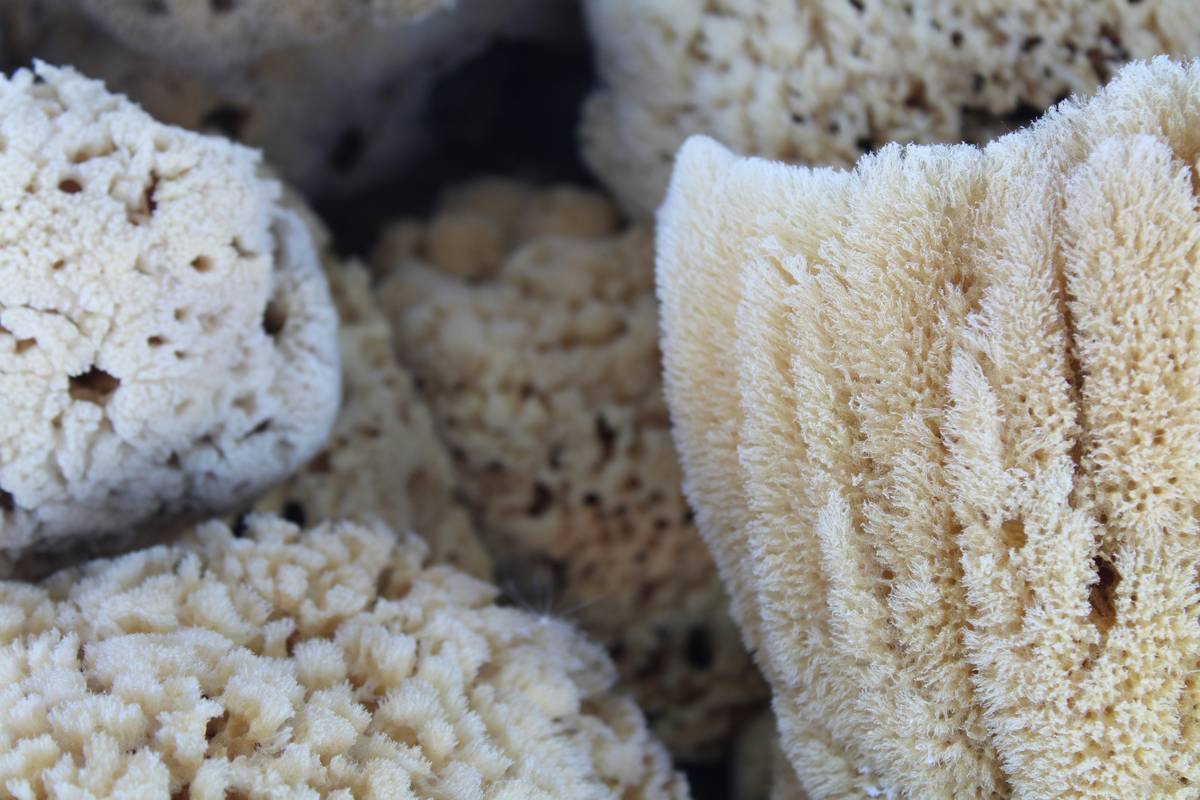
I learned this the hard way. I bought a cute, plant-based sponge labeled “100% compostable,” used it for one week, and found it molding in my sink drain. Turns out, it contained hidden polyester mesh—a common trick brands use to add durability while still claiming “natural.” Always read the fine print. True biodegradability means every component breaks down in home compost conditions, not just industrial facilities.
Step-by-Step Guide to Using Your Natural Sponge Right
1. Choose the Right Material
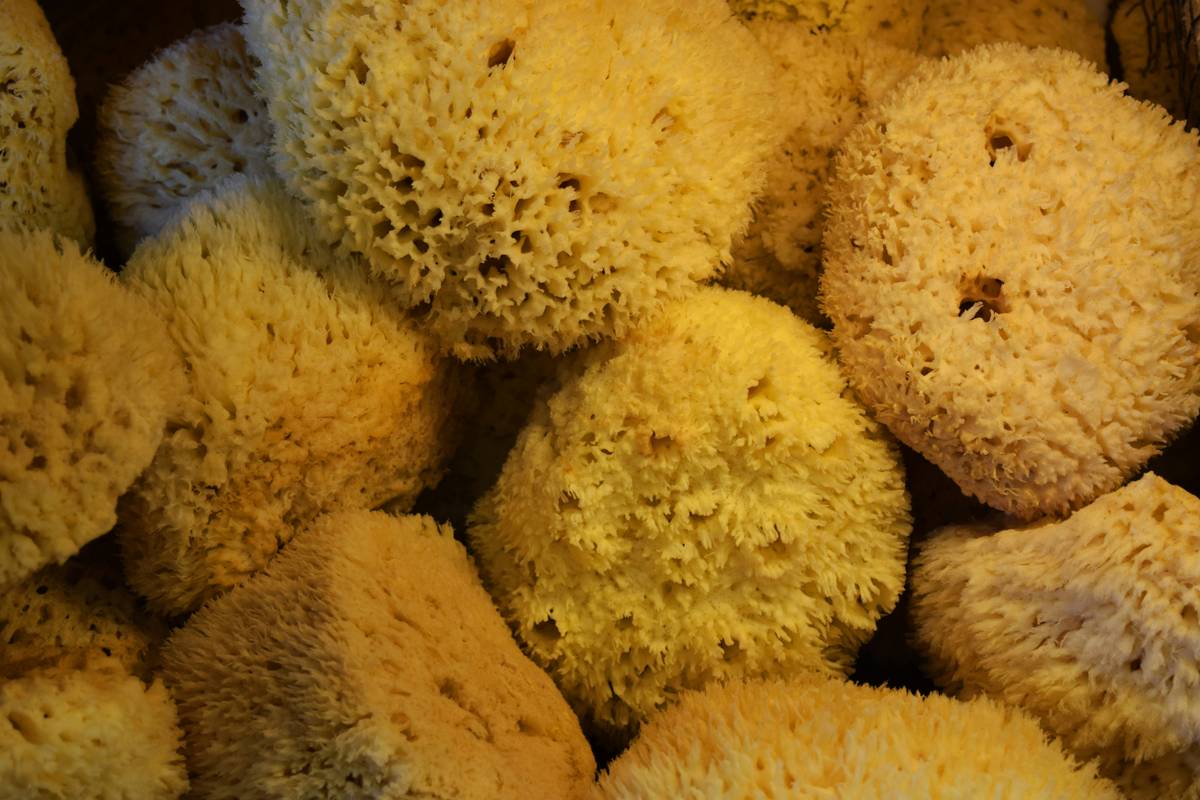
Opt for sponges made from loofah, cellulose, coconut coir, or konjac root. Avoid anything listing “polyester,” “nylon,” or “synthetic fibers”—even if tucked in the ingredients footnote.
2. Prep Before First Use
Soak your new sponge in warm water for 2–3 minutes. This rehydrates the fibers and activates its scrubbing power without tearing.
3. Clean Smart, Not Hard
Use gentle pressure. Unlike abrasive plastic sponges, natural ones rely on fiber texture, not force. Pair with a vinegar-baking soda paste for tough stains instead of scrubbing aggressively.
4. Dry Completely After Every Use
Place it on a well-ventilated rack—not in a damp corner or under the faucet drip. Moisture breeds bacteria; airflow prevents decay.
5. Sanitize Weekly
Microwave a wet sponge for 60 seconds (if metal-free) or soak in white vinegar for 10 minutes. This kills microbes without compromising biodegradability.
5 Best Practices for Long-Lasting, Hygienic Use
- Never store it in a sealed container. Trapped moisture equals mold city.
- Replace every 3–4 weeks. Even the best natural cleaning sponge biodegradable how to perform degrades over time.
- Compost it correctly. Home-compostable? Bury it in your backyard bin. Industrial-only? Don’t toss it in regular trash—find a drop-off via FindAComposter.com.
- Avoid oily residues. Grease clogs natural fibers. Rinse immediately after cleaning greasy pans.
- Don’t share sponges between surfaces. Keep one for dishes, another for countertops—to prevent cross-contamination.
Real Results: How One Household Cut Plastic Waste by 80%
Sarah M., a Fairmont Garden customer from Vancouver, switched her family of four to certified biodegradable sponges after reading our About Us mission on zero-waste living. Within six months, she eliminated 24 plastic sponges from her annual waste stream. Her secret? She uses the drying rack method religiously and sanitizes weekly. “I used to replace sponges every week,” she says. “Now they last a month—and smell fresh.” According to EPA data, if every U.S. household made this shift, we’d keep over 200 million plastic sponges out of landfills yearly.
FAQs About Natural Cleaning Sponges
Are biodegradable sponges really compostable at home?
Only if certified for home composting (e.g., TÜV OK Compost HOME). Many require industrial facilities—check packaging carefully.
How do I know if my sponge is truly natural?
Look for full ingredient transparency. Reputable brands list all components. If it’s vague (“plant-based fibers”), be skeptical.
Can I use a natural sponge on non-stick pans?
Yes—but gently. Use the soft side (often cellulose) and avoid heavy scrubbing to preserve coating integrity.
Why does my biodegradable sponge smell sour?
Trapped moisture. Always wring it out fully and air-dry upright. If it smells after 2 weeks, it’s time to compost it.
Where can I buy trustworthy biodegradable sponges?
Start with brands committed to sustainability—like ours. Learn more about our standards on our Privacy Policy page, where we detail how we vet eco-products.
Is “natural cleaning sponge biodegradable how to” just a marketing phrase?
Not when used correctly. It’s a practical framework for selection, use, and disposal—key to real impact.
Ready to ditch plastic sponges for good? We’ve tested dozens so you don’t have to. Contact us for personalized recommendations—or share your own sponge success story!