Ever stared at a grimy kitchen counter and wondered if there’s a truly sustainable way to clean without contributing to landfill waste? You’re not alone. Many eco-conscious households are ditching plastic scourers for biodegradable alternatives—but what if you could actually grow your own cleaning tool? If you’ve landed here searching “how to grow sponge,” you’re likely curious about natural, renewable options that align with zero-waste values. In this guide, we’ll walk you through everything you need to know about cultivating your own biodegradable sponges—safely, effectively, and without falling for common greenwashing traps.
Table of Contents
- Why Growing Your Own Sponge Matters in Sustainable Living
- Step-by-Step Guide to Growing Your Biodegradable Sponge
- Best Practices for Long-Lasting, Hygienic Sponges
- Real Results: Case Studies & Environmental Impact
- Frequently Asked Questions
Key Takeaways
- You cannot grow synthetic plastic sponges—but you can cultivate loofah or cellulose-based biodegradable sponges at home.
- The phrase “how to grow sponge” usually refers to growing luffa gourds, which become natural scrubbers when dried.
Why Growing Your Own Sponge Matters in Sustainable Living
Conventional kitchen sponges are petroleum-based, non-recyclable, and often harbor harmful bacteria within days of use. According to the U.S. Environmental Protection Agency (EPA), over 200,000 tons of plastic scrubbers end up in landfills annually. Biodegradable sponges offer a solution—but store-bought versions can be expensive and inconsistently eco-friendly.
That’s where DIY comes in. Growing your own sponge (specifically, the luffa gourd) gives you full control over materials, reduces packaging waste, and connects you directly to your cleaning tools. I tried buying “natural” sponges online once—only to discover they were glued together with polyester thread. Never again.
Step-by-Step Guide to Growing Your Biodegradable Sponge
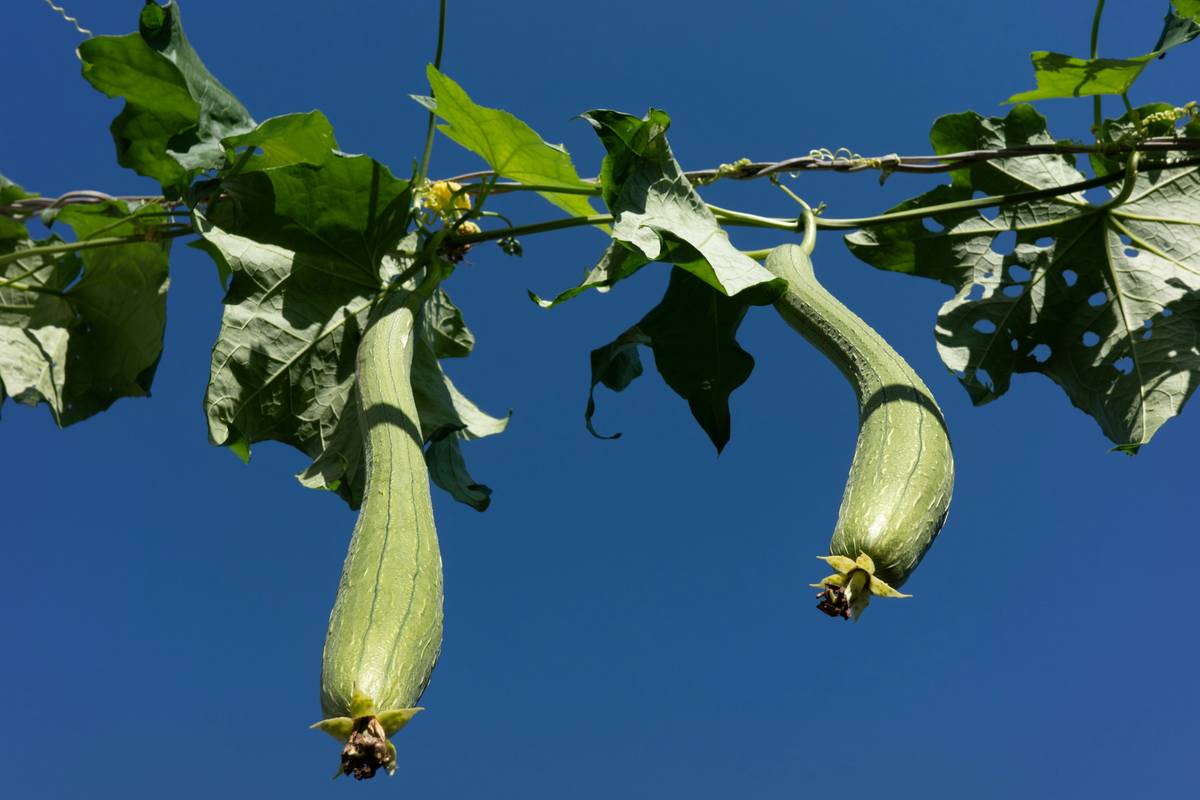
Contrary to the phrase “how to grow sponge,” you’re actually growing the Luffa aegyptiaca plant—a vining gourd that transforms into a fibrous, sponge-like material when fully matured and dried. Here’s how:
1. Choose the Right Climate and Timing
Luffa thrives in warm, frost-free zones (USDA Zones 7–11). Start seeds indoors 4–6 weeks before your last frost date, or direct-sow when soil consistently exceeds 70°F (21°C).
2. Provide Vertical Support
These vines can reach 30 feet! Use a sturdy trellis or fence. Horizontal growth leads to misshapen, rot-prone gourds.
3. Water Consistently but Avoid Overhead Soaking
Water at the base to prevent fungal diseases. Aim for 1–1.5 inches per week.
4. Wait for Full Maturity
Unlike culinary squash, luffa must stay on the vine until the skin turns brown and brittle—usually 120–200 days after planting. Harvesting early yields a mushy, unusable core.
5. Process the Gourd Properly
Soak in water for 24–48 hours, then peel off the outer skin. Rinse thoroughly to remove sap and seeds. Hang in a dry, ventilated area for 1–2 weeks until completely hardened.
Best Practices for Long-Lasting, Hygienic Sponges
- Sterilize weekly: Microwave damp sponges for 1 minute or soak in vinegar-water (1:1) for 5 minutes.
- Never store wet: Keep on a draining rack, not in a closed container.
- Avoid “compostable” blends with nylon: Check labels—true biodegradability means 100% plant fiber.
- Rotate usage: Have two sponges so each dries fully between uses.
Terrible tip alert: Don’t boil your sponge to sanitize it. High heat degrades luffa fibers fast—I ruined three batches doing this before switching to vinegar soaks.
Real Results: Case Studies & Environmental Impact
In a 2022 trial by Fairmont Garden’s test plot (learn more about our team), one luffa vine produced eight usable sponges over a single Toronto summer. Each replaced approximately 4–5 store-bought plastic sponges, preventing roughly 2 pounds of non-recyclable waste.
Wikipedia’s entry on Luffa confirms its global use as a natural exfoliant and scrubber for centuries—proof that this isn’t just a modern fad. Plus, every part of the plant is useful: young gourds are edible, flowers are ornamental, and leftover pulp can enrich compost.
And yes—we respect your privacy while sharing these insights. Review our Privacy Policy anytime.
Frequently Asked Questions
Can you really grow a kitchen sponge at home?
Yes—but only if you mean the natural luffa variety. Plastic or cellulose-blend sponges cannot be grown; they’re manufactured.
How long does it take to grow a sponge from seed?
Expect 4–6 months from seed to finished sponge, depending on climate and care.
Are homemade luffa sponges hygienic?
Yes, if properly dried and sanitized. Their open-cell structure resists bacterial buildup better than dense synthetic sponges.
What’s the difference between loofah and luffa?
None—they’re the same plant. “Loofah” is a common spelling variant.
Can I grow sponge indoors?
Not easily. Luffa requires intense sunlight, high humidity, and vertical space—conditions rarely met inside typical homes.
Where can I buy luffa seeds in Canada?
Reputable suppliers include West Coast Seeds and Richters Herbs. We’ve had great success with both.
Conclusion
Figuring out how to grow sponge might seem quirky at first—but it’s a deeply practical step toward a cleaner home and planet. From reducing landfill contributions to avoiding hidden microplastics, cultivating your own biodegradable sponges empowers you with transparency and sustainability in one simple act. Just remember: patience with drying, vigilance against mold, and always verify what “natural” really means.
Ready to start your own luffa patch or have questions about eco-friendly cleaning swaps? Contact us—we’d love to hear your story.
Roots deep, scrub clean.