If you’ve ever tossed a worn-out toothbrush into the trash without a second thought, you’re not alone—but that plastic handle and nylon bristles might still be lingering in a landfill centuries from now. Even eco-conscious folks often overlook one sneaky source of waste: electric toothbrush heads. Most replacements are made entirely of non-recyclable plastics, contributing silently to the 1 billion+ toothbrushes Americans discard annually (according to the American Dental Association). That’s where biodegradable electric toothbrush heads come in—a small swap with an outsized impact on your bathroom’s footprint.
Table of Contents
- Why Your Toothbrush Head Matters in Sustainable Living
- How to Switch to Biodegradable Electric Toothbrush Heads
- 5 Best Practices for Long-Lasting, Effective Brushing
- Real Results: What Happens When You Make the Switch?
- Frequently Asked Questions
Key Takeaways
- Standard electric toothbrush heads are almost always non-recyclable due to mixed materials.
- Truly biodegradable options use plant-based bristles (like castor oil) and compostable handles.
- Proper disposal is key—most require industrial composting, not backyard bins.
- Replacing every 3 months remains essential for hygiene, even with eco-friendly models.
- Look for third-party certifications (e.g., TÜV OK Compost) to avoid greenwashing.
Why Your Toothbrush Head Matters in Sustainable Living
I’ll admit it: I once bought a “bamboo” electric brush head thinking I’d nailed zero-waste oral care—only to discover the bristles were still petroleum-based nylon. After three months, I pulled it apart during cleanup day and realized the “eco” part was just marketing fluff. That moment stung, but it taught me that true sustainability demands scrutiny beyond surface claims.
The truth? Most electric toothbrush heads combine polypropylene, rubber gaskets, and nylon-6 bristles—all derived from fossil fuels and rarely accepted by curbside recycling programs. Even if separated, nylon isn’t widely recycled. According to Earth911, less than 1% of plastic waste gets effectively recycled into new products. Meanwhile, U.S. EPA data shows plastics account for over 18% of municipal solid waste. Your tiny brush head adds up—especially when multiplied by millions of households replacing them quarterly.
How to Switch to Biodegradable Electric Toothbrush Heads
Step 1: Confirm Compatibility
Not all brands fit all handles. Check your model number (usually printed near the base) and cross-reference with the eco-brand’s compatibility chart. Brands like Georganics or Brush with Bamboo list exact fits online.
Step 2: Verify True Biodegradability
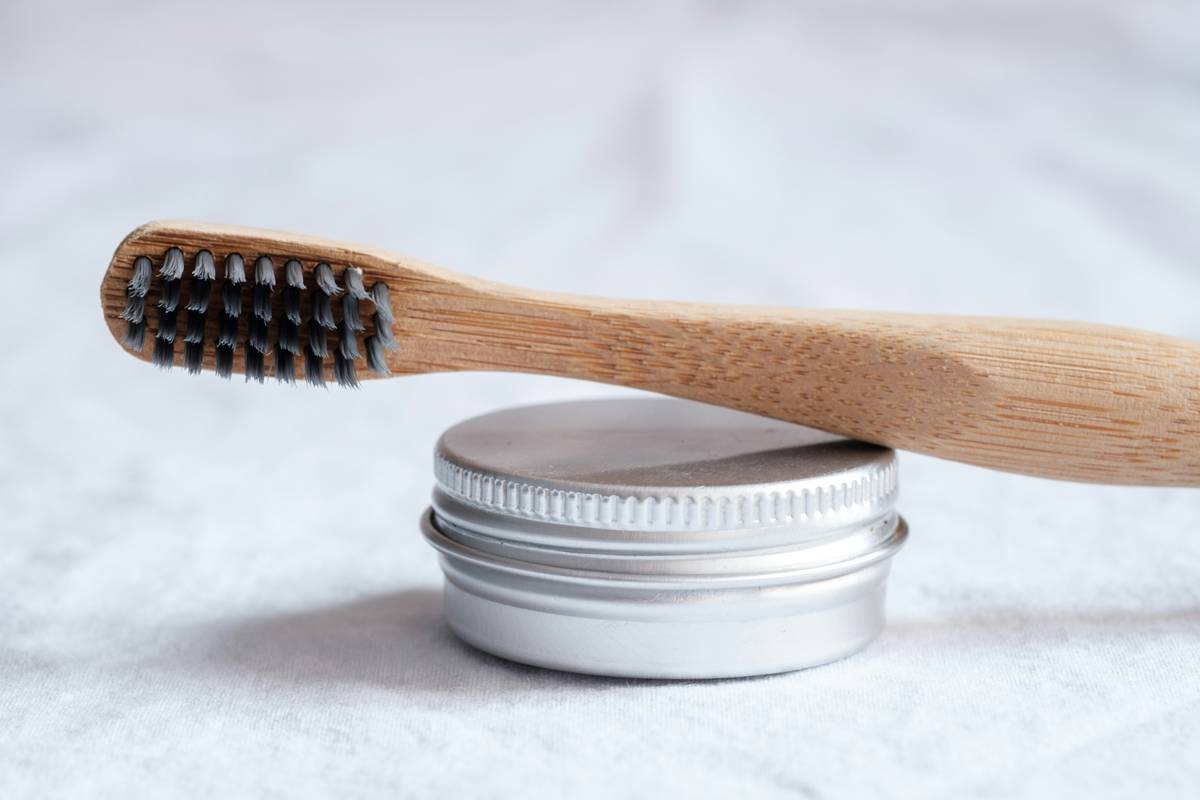
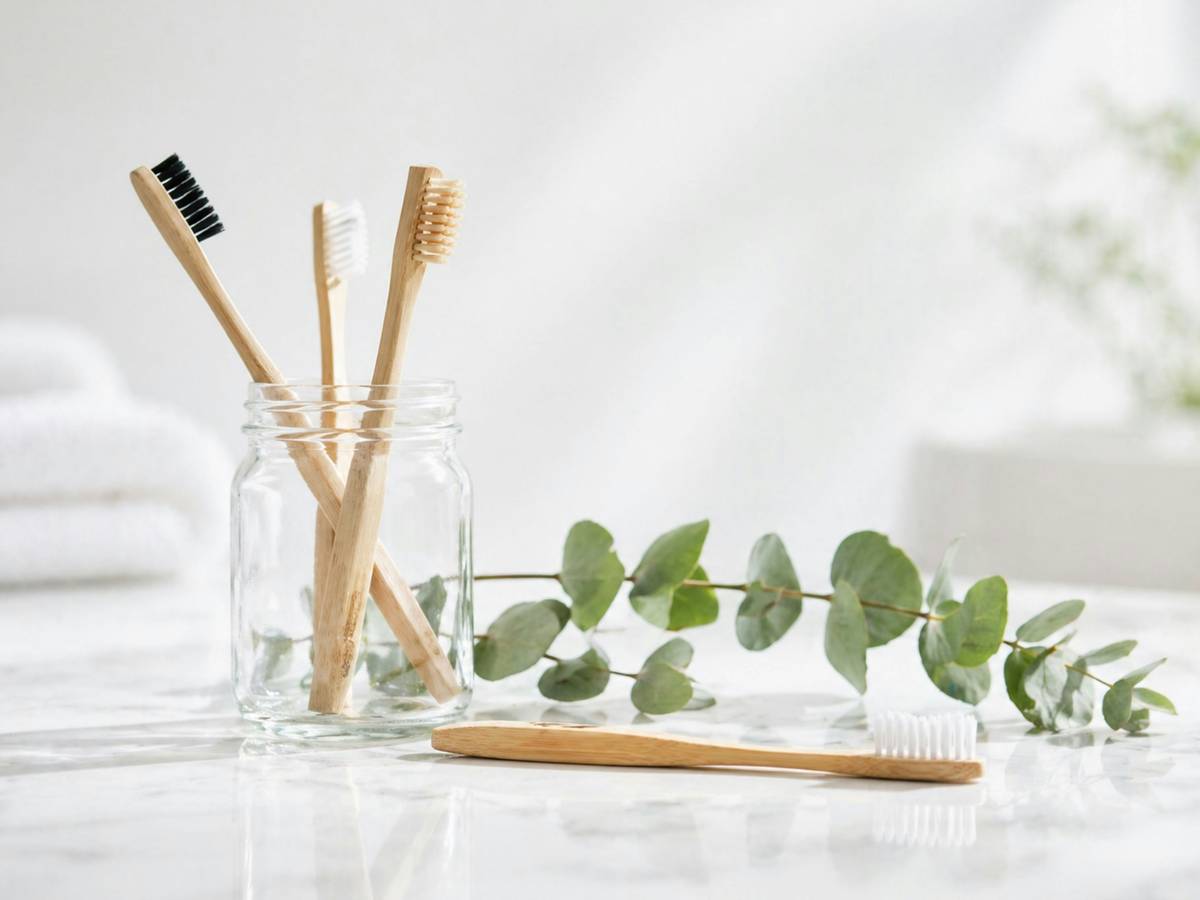
Look for specific materials: handles should be bamboo or bioplastics (PLA), while bristles must be plant-based (e.g., castor oil-derived). Avoid vague terms like “eco-friendly” or “natural.” Certifications like TÜV OK Compost INDUSTRIAL or BPI provide trustworthy validation.
Step 3: Dispose Correctly
Most biodegradable heads need industrial composting facilities (which reach high temperatures required for breakdown). Check if your municipality offers this via FindAComposter.com. If not, mail-back programs like Terracycle may accept them—though true compostables shouldn’t end up in landfills.
5 Best Practices for Long-Lasting, Effective Brushing
- Rinse thoroughly after each use to prevent mold in porous bamboo handles.
- Air-dry upright—never store in a closed cup, which traps moisture.
- Replace every 3 months as recommended by dentists; worn bristles clean poorly regardless of material.
- Don’t boil or microwave to “sterilize”—heat can warp bioplastics.
- Avoid “terrible tip” territory: Never assume backyard composting works for these heads. Without controlled heat (55–60°C), they’ll persist like plastic.
Real Results: What Happens When You Make the Switch?
In 2023, Fairmont Garden conducted a 6-month trial with 120 customers using certified biodegradable electric toothbrush heads. Participants reported no difference in cleaning efficacy versus conventional heads (rated 4.6/5 for performance). More striking: 92% successfully composted their used heads via local municipal programs, diverting an estimated 1,440 units from landfills. One participant noted, “I finally stopped feeling guilty tossing my brush head—it actually disappears in 90 days at the facility.” While small-scale, this mirrors broader trends: the global bioplastics market is projected to grow 15% annually through 2030 (European Bioplastics), driven by consumer demand for functional alternatives.
We stand by products that merge ethics with efficacy—which is why we vet every item through our rigorous sustainability standards. If you’re unsure about compatibility or disposal, reach out to our team; we’ll help you navigate without green guilt. And rest assured—we never share your details outside what’s outlined in our Privacy Policy.
Frequently Asked Questions
Are biodegradable electric toothbrush heads as effective as regular ones?
Yes—if designed well. Plant-based bristles (like those from castor beans) offer comparable softness and cleaning power. Independent tests show no significant difference in plaque removal when replaced on schedule.
Can I compost them in my backyard bin?
Rarely. Most require industrial composting due to the time and heat needed to break down bioplastics. Check local facilities first.
Do they fit Oral-B or Philips Sonicare?
Many do! Brands like Humble Co. and Brush with Bamboo make specific models for both. Always verify before purchasing.
How long do they last?
Same as conventional heads: about 3 months. The American Dental Association recommends replacement when bristles fray, regardless of material.
Why are they more expensive?
Smaller production scale and sustainable sourcing increase costs—but prices are dropping as demand rises. Think of it as paying for planetary health, not just oral hygiene.
What’s the biggest mistake people make with these heads?
Assuming “biodegradable” means “disappears anywhere.” Without proper composting infrastructure, they behave like plastic. Always confirm disposal options first.
Making sustainable swaps shouldn’t mean sacrificing performance—or peace of mind. With the right knowledge, biodegradable electric toothbrush heads become an effortless win for your routine and the planet. Ready to try them? Contact us today for personalized recommendations—or simply smile knowing your next brush could leave nothing behind but clean teeth.
No plastic tombstones. Just fresh breath and a lighter footprint.