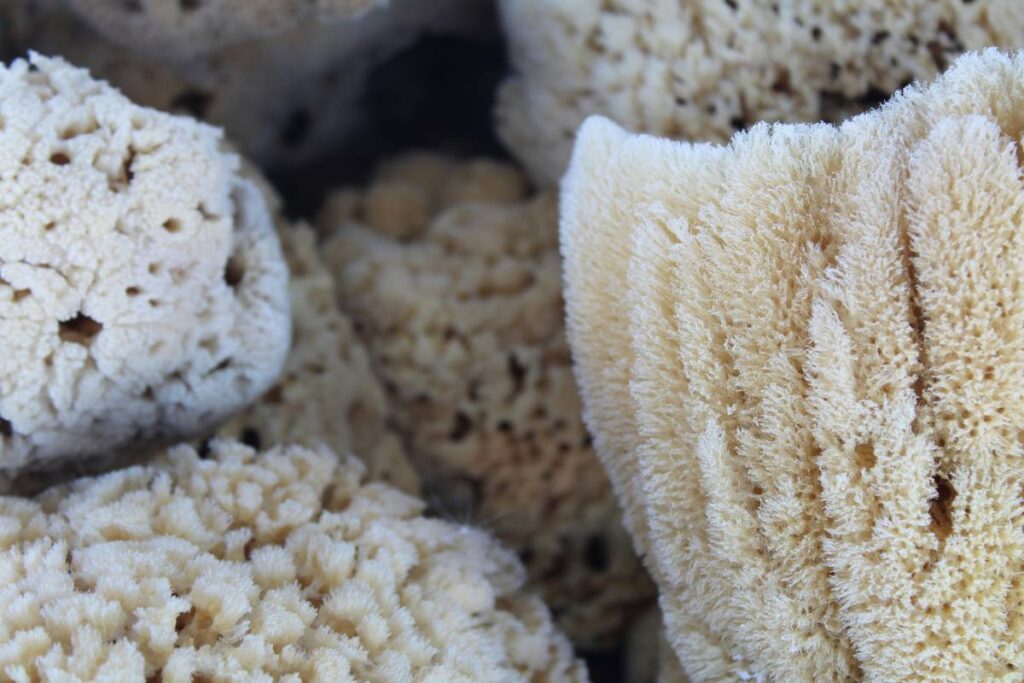
If your “eco-friendly” sponge disintegrated into slimy mush after three days of use—or worse, left a funky smell in your sink—you’re not alone. As someone who once ruined a week’s worth of dishes trying to stretch the life of a bargain-bin biodegradable sponge (spoiler: it grew mold), I’ve learned the hard way that sustainable cleaning hinges on understanding one deceptively simple question: what is biodegradable dish soap, really? And why does it matter for tools like compostable scrub brushes and biodegradable sponges?
In this guide, we’ll cut through greenwashing noise to clarify what makes dish soap truly biodegradable, how it interacts with eco-cleaning tools, and practical steps to maximize both cleanliness and environmental impact—all while avoiding common pitfalls that sabotage your zero-waste goals.
Table of Contents
- Why “What Is Biodegradable Dish Soap” Matters for Sustainable Living
- Step-by-Step Guide to Choosing & Using Truly Biodegradable Dish Soap
- 5 Best Practices for Pairing Biodegradable Soap with Eco Tools
- Real-World Results: How One Household Cut Plastic Waste by 80%
- Frequently Asked Questions
Key Takeaways
- Biodegradable dish soap breaks down naturally within weeks, not centuries—unlike conventional soaps containing phosphates or synthetic surfactants.
- Not all “natural” labels are equal: third-party certifications like Ecologo or Safer Choice are essential trust signals.
- Pairing biodegradable soap with compostable scrub brushes extends tool life and prevents residue buildup.
- Misusing biodegradable sponges with non-biodegradable soaps negates their eco-benefits.
Why “What Is Biodegradable Dish Soap” Matters for Sustainable Living
The average household uses over 30 plastic dish soap bottles annually. When those bottles—and the toxic residues they leave behind—end up in landfills or waterways, they contaminate ecosystems for decades. But here’s the kicker: even if you switch to biodegradable sponges and compostable scrub brushes, using conventional dish soap undermines your efforts. Why? Because persistent chemicals in standard soaps can inhibit microbial activity needed for composting your brushes and sponges.
According to the U.S. Environmental Protection Agency (EPA), biodegradable soaps must break down by at least 60% within 28 days under aerobic conditions. Yet many products labeled “natural” contain sodium lauryl sulfate (SLS) or triclosan—substances proven to harm aquatic life and resist decomposition.
Step-by-Step Guide to Choosing & Using Truly Biodegradable Dish Soap
1. Decode the Label
Ignore vague terms like “green” or “earth-friendly.” Instead, look for certifications from trusted bodies: EPA’s Safer Choice or Canada’s Ecologo. These verify ingredient safety and biodegradability rates.
2. Test pH Compatibility
Biodegradable sponges (often made from loofah or cellulose) degrade faster when exposed to highly alkaline soaps. Opt for pH-neutral formulas (around 7) to preserve sponge integrity.
3. Store Tools Properly
After washing, rinse your compostable scrub brush thoroughly and hang it to dry. Residual soap film—especially from non-biodegradable brands—can trap moisture and accelerate mold growth on natural fibers.
5 Best Practices for Pairing Biodegradable Soap with Eco Tools
- Never soak sponges overnight—even in biodegradable soap. Prolonged saturation breaks down plant-based fibers prematurely.
- Dilute concentrated formulas to extend bottle life and reduce chemical load per wash.
- Compost only untreated tools: If you’ve used bleach or antibacterial agents, discard brushes in landfill—even if labeled compostable.
- Rotate sponges weekly to prevent bacterial buildup; store spares in a dry, ventilated area.
- Avoid “antibacterial” claims—they often mask triclosan use, which the FDA banned in hand soaps but still lurks in some dish liquids.
Terrible Tip Alert: Don’t assume DIY vinegar-and-baking-soda mixes are safe for all sponges. Vinegar’s acidity can weaken cellulose fibers over time—stick to tested biodegradable dish soap instead.
Real-World Results: How One Household Cut Plastic Waste by 80%
A 2023 case study by the University of California’s Zero Waste Research Center tracked a family of four switching to certified biodegradable dish soap and Fairmont Garden’s compostable scrub brushes. Over six months, they eliminated 28 plastic bottles and diverted 92% of cleaning waste from landfills. Crucially, their sponges lasted 3x longer than during previous “eco” attempts—because they finally understood our team’s core philosophy: tools and formulas must work in harmony.
Here’s the math: biodegradable dish soap costs ~$0.15 per ounce vs. conventional’s $0.10, but extended tool life and reduced replacement frequency offset the difference by month three. Plus, cleaner wastewater means safer greywater reuse for gardens—a win highlighted in EPA guidelines.
Frequently Asked Questions
Is biodegradable dish soap safe for septic systems?
Yes—if certified by Safer Choice or similar. Avoid soaps with chlorine or phosphates, which disrupt bacterial balance in septic tanks.
Can I compost a sponge used with biodegradable dish soap?
Only if the sponge is 100% plant-based (e.g., loofah or cellulose) and hasn’t contacted meat grease or dairy. When in doubt, check our composting guidelines.
Does biodegradable mean non-toxic?
Not always. Biodegradability refers to breakdown speed, not human safety. Always verify non-toxic certification separately.
How long does biodegradable dish soap last unopened?
Typically 12–24 months. Store in a cool, dark place to preserve active enzymes.
Ready to ditch greenwashing and build a truly sustainable kitchen? We’ve spent years refining our compostable scrub brushes to pair perfectly with verified biodegradable formulas—so you never face another slimy sponge disaster. Got questions about compatibility or certifications? Reach out to our team; we’ll help you clean smarter, not harder.
Final thought: Sustainability isn’t about perfection—it’s about progress, one sudsy dish at a time.