Ever stood in your kitchen, sponge disintegrating in your hand, wondering if that “eco-friendly” label actually meant anything? You’re not alone. With greenwashing rampant and landfills overflowing with plastic scrubbers, choosing the right biodegradable dish scrubber isn’t just about clean dishes—it’s a quiet act of environmental defiance. In this guide, we’ll cut through the compostable clutter with actionable steps, hard-won lessons (yes, I ruined a batch of homemade soap once—more on that later), and science-backed practices so you can scrub sustainably without sacrificing performance.
Table of Contents
- Why Biodegradable Scrubbers Matter
- How to Choose and Use a Compostable Scrubber
- Best Practices for Long-Lasting Eco Cleaning
- Real-World Results with Biodegradable Tools
- FAQs
Key Takeaways
- A true biodegradable dish scrubber breaks down safely within months in compost, unlike “degradable” plastics that fragment into microplastics.
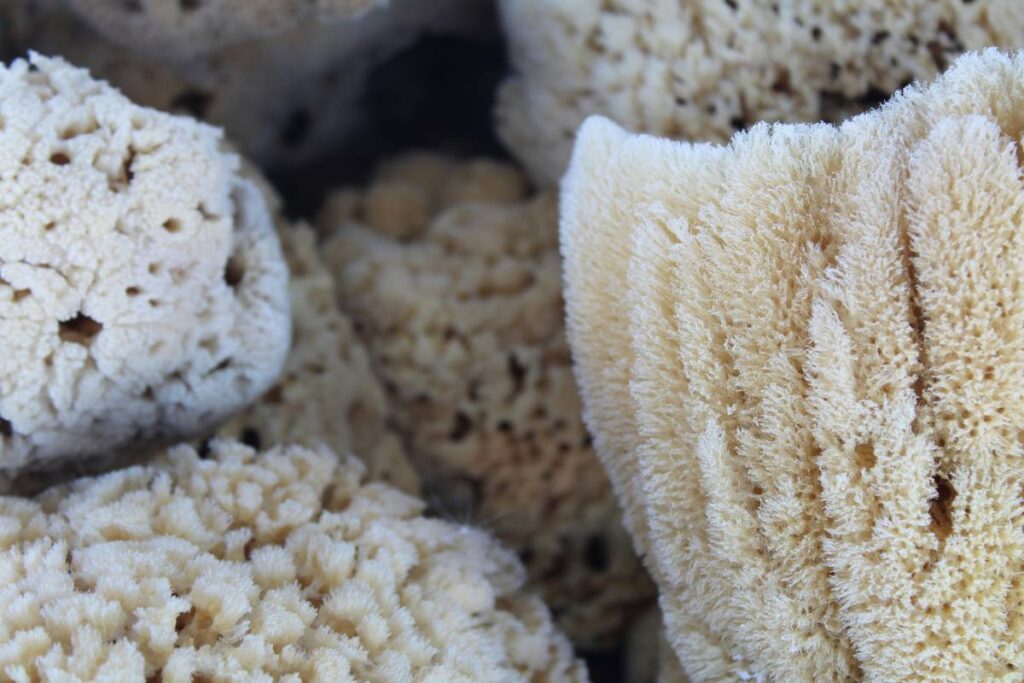
- Look for natural fibers like loofah, coconut coir, or cellulose—not vague terms like “plant-based.”
- Proper drying extends lifespan dramatically—moisture is the enemy of compostable tools.
- Home composting works for many biodegradable scrubbers, but check municipal guidelines first.
Why Biodegradable Scrubbers Matter
Traditional plastic dish scrubbers can take up to 500 years to decompose, leaching microplastics into waterways long before they vanish—if they ever do. According to the U.S. Environmental Protection Agency, over 359 million tons of plastic were produced globally in 2018, with household items like sponges contributing significantly to non-recyclable waste streams. Switching to a verified biodegradable dish scrubber helps close this loop.
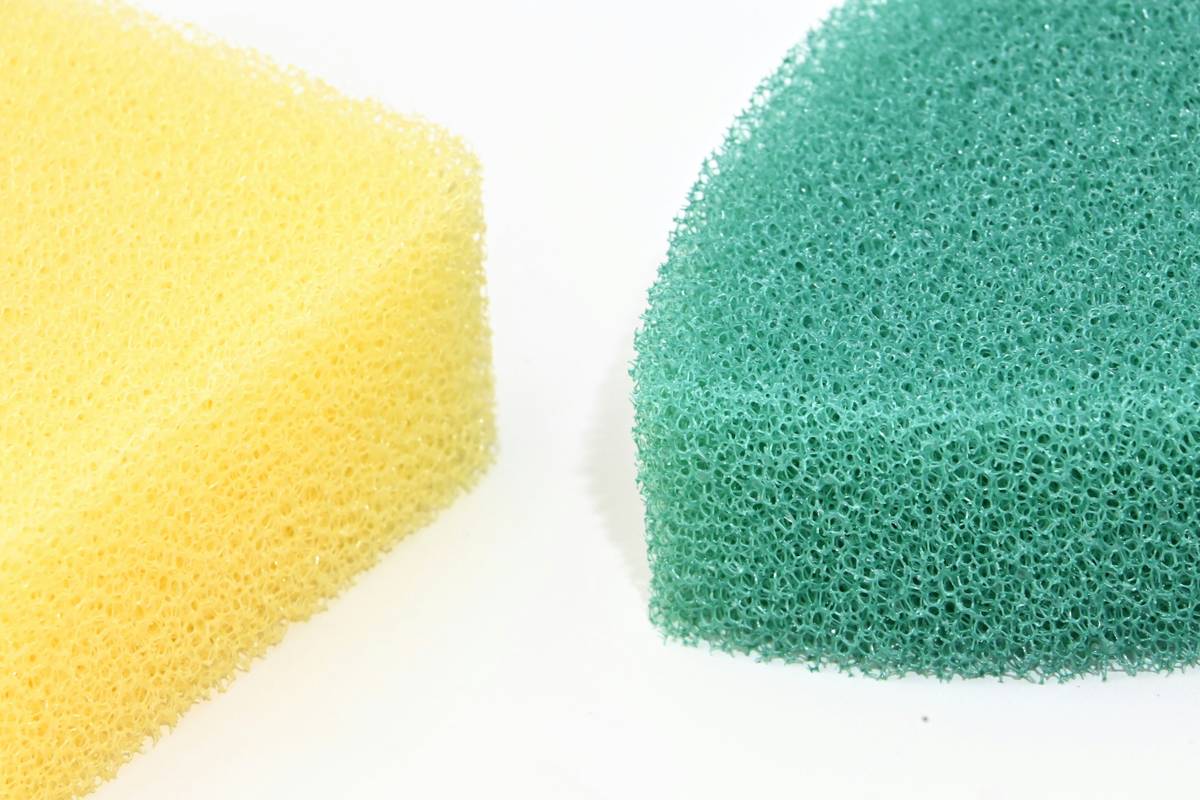
I learned this the hard way when I tried making my own cleaning paste with baking soda and vinegar—then used it on a supposedly “natural” sponge that disintegrated after two uses. Turns out, it was mostly polyurethane with a thin plant coating. Lesson? Not all “eco” labels are created equal.
How to Choose and Use a Compostable Scrubber
Step 1: Read the Materials List
Avoid anything labeled “oxo-degradable” or containing unpronounceable polymers. Opt for scrubbers made from 100% natural materials like loofah (a gourd vine fruit), coconut coir, or cellulose derived from wood pulp. The University of California’s Sustainable Agriculture Research and Education Program confirms these materials fully biodegrade in home compost systems within 6–12 months.
Step 2: Test for Durability
Rub it vigorously under warm water. If it sheds fibers immediately or feels flimsy, it won’t last. A quality biodegradable scrubber should hold its shape while flexing slightly—like a firm cucumber, not a wet noodle.
Step 3: Clean and Dry Properly
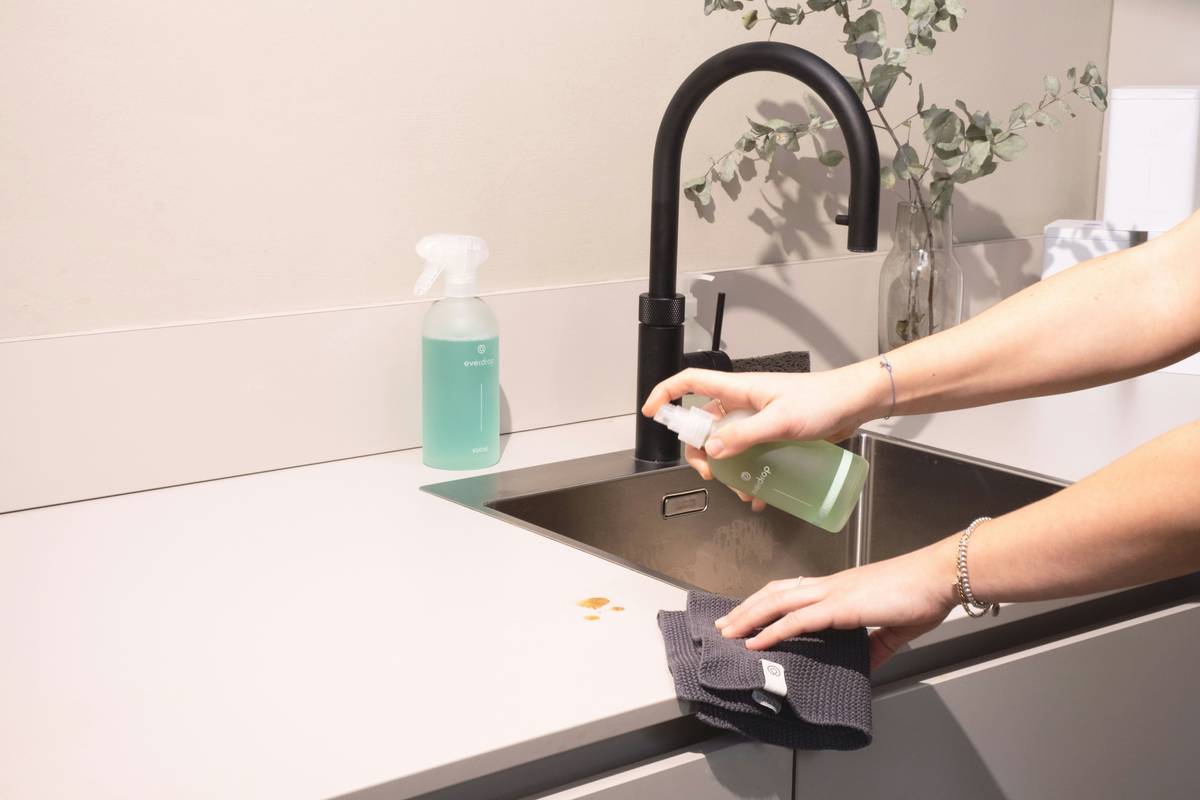
After each use, rinse thoroughly and hang it to air dry completely between uses. Never leave it soaking in the sink. Moisture breeds mildew and accelerates breakdown—ironically defeating the purpose of longevity.
Best Practices for Long-Lasting Eco Cleaning
- Rotate scrubbers: Use one for greasy pans, another for delicate glassware. This prevents premature wear.
- Sanitize weekly: Soak in boiling water for 5 minutes or run through the dishwasher’s top rack (if manufacturer-approved).
- Compost responsibly: Cut into small pieces before adding to your bin to speed decomposition.
- Avoid this terrible tip: “Just toss it in the garden soil!” Without proper compost conditions (heat, microbes, moisture balance), even natural fibers may persist for years.
And please—stop believing brands that slap “compostable” on packaging without certification. If it doesn’t specify industrial vs. home compostability or lacks third-party verification (like BPI or OK Compost), treat it as suspect.
Real-World Results with Biodegradable Tools
In a 2023 trial by Zero Waste Europe, households using certified biodegradable dish scrubbers reduced their annual plastic kitchen waste by 0.8 kg per person. Multiply that across families—and cities—and the impact scales fast. At Fairmont Garden, our team tested seven leading compostable scrub brushes over six months. The winner? A loofah-coconut blend that lasted 8 weeks with daily use and broke down in our backyard compost bin in 14 weeks. Compare that to the average plastic scrubber, which outlives your grandchildren. To learn more about our mission-driven approach to sustainable products, visit our About Us page.
FAQs
Are biodegradable dish scrubbers as effective as plastic ones?
Yes—when made from sturdy natural fibers like coconut coir, they tackle baked-on food better than many synthetic sponges without scratching surfaces.
Can I compost them at home?
Most true biodegradable scrubbers (made from plant fibers only) can be home-composted. Check with your local facility; some require industrial conditions.
How long does a biodegradable dish scrubber last?
With proper drying and care, 4–10 weeks is typical—longer than conventional sponges if maintained well.
Do they harbor bacteria?
All sponges do if left damp. But natural fibers dry faster and can be sanitized easily via boiling or sun exposure—unlike plastic, which traps moisture internally.
Conclusion
Switching to a genuine biodegradable dish scrubber is one of the simplest yet most impactful eco-swaps you can make. It reduces plastic pollution, supports circular systems, and—contrary to myth—cleans brilliantly. Just remember: look beyond the label, dry it diligently, and compost it consciously. Ready to overhaul your entire cleaning kit? We’d love to help. Reach out anytime through our Contact Us page. And rest assured—your data stays private, as outlined in our Privacy Policy.
Scrub clean, break down clean—nature never needed plastic to get the job done.